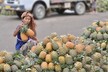
Nigeria is the second-largest producer of ginger in the world, accounting for 16% of global production in 2023. Despite this, the country captures less than 3% of global export revenues and remains outside the top ten exporters.
Nigeria has, however, become the leading global exporter in the smaller but higher-value market for processed ginger. In 2023, it earned US$29.6 million and held a 22% share of worldwide trade. Japanese investors have announced plans to inject about US$250 million into the sector, aiming to expand production and exports from Nigeria, as well as from Tanzania and Madagascar.
Industry representatives note that while demand for Nigerian ginger is strong, structural challenges remain. These include the need for measures to prevent further disease outbreaks, improved infrastructure for transport to ports, and greater safety for farmers. "Our ginger is one of the best in the world. Demand for it is high, but farmers lack the expertise in managing losses and preparing for export. The government must address these issues, and also tackle insecurity, to encourage more people to cultivate, for local consumption and for export," said Joseph Dion Ngute, Prime Minister.
In response to the fungal outbreak that affected production in 2023, particularly in Kaduna state, the Nigerian government has allocated over US$1 million to support farmers. It has also announced the development of a disease control mechanism to promote cultivation. "I've been in this business for over 15 years. As a country, we are not making the best out of ginger. There are challenges of insecurity, farmers cultivating, and not being able to harvest. Then, transportation challenges due to bad roads, and more recently, a fungal disease that affected farms, especially in Kaduna state," said trader Mohammadu Sani.
To improve farming practices, the National Ginger Association of Nigeria is working with Dimitra International to introduce about 6,000 farmers to improved cultivation methods and disease prevention. The partnership is expected to strengthen production and provide support for growers and traders involved in both domestic and export markets.
Source: Africa 24