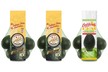
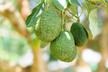
 © Koeltehof PackersAvocado growers in the Kiepersol and White River areas are replanting the Lamb Hass many had eight to ten years ago taken out for Hass. Some growers never took out theirs, and they are now reaping dividends: it allows South Africa a second bite at the cherry after Peru's big number.
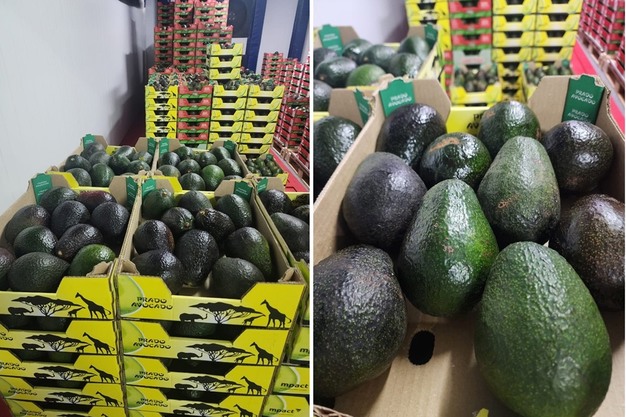
Right: Despite the fruit turning black, Caetano notes, it is not ripe. Cooling suppresses and delays the ripening
"Lamb Hass is back on the block," remarks Patrick Caetano, packhouse manager of Koeltehof Packers in Kiepersol where Zander Groenewald will be taking over the role. The avocado farmers packing there will this week send in their picking teams again after a lull since end-July. "We just waited for Peru's last lot of big shipments to go in, then it takes three weeks on the ship during which the market should be quite clear, and then we put this Lamb Hass in there. We'll spread the harvest over the next three weeks."
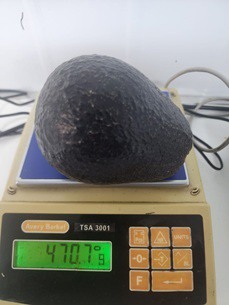
Lamb Hass is a nice big fruit, he says, and therefore it used to be mostly packed for local sales. South Africans like big avocados. But its value during the brief period following Peru is too compelling. "The market is clearing quite well," he remarks. Israel is still sending a bit along with the last of Peru's fruit. The impact of Morocco's heatwave on its volumes has been noticeable.
Lamb Hass is not an easy avocado to market. One needs experienced marketeers, he observes, marketeers like their main clients Westfalia and The Fruit Farm Group South Africa.
The cultivar turns black quicker, he explains, while still hard. "We enlighten our overseas clients that because it's black, it doesn't mean that it's already ripe. As soon as they put it into the ripening room, it does ripen reasonably quickly, so they've got to just feel when it's starting to give a little bit of give, and then it must be eaten."
 © Koeltehof Packers
"Horrifically high" domestic avo prices
"I think everybody wanted to go early," Caetano says, and South Africa received a dispensation to export at 79% moisture. "The growers are the ones who push the marketeers because they want those higher prices and to have a shorter packing season, to pack for three months instead of five. We always try to accommodate our growers."
From the end of March until the end of June avocado farms in Limpopo export as much as they possibly can to avoid exposure during Peru's peak. Even during Peru's down year in 2024, South African growers still pushed to get in before Peru.
"We had hoped for a bigger crop," Caetano adds. Coupled with the high rate of exports from March until July, avocados quickly became scarce on the domestic market. Now prices are, he says, "horrifically high". Fifteen to twenty percent of this Lamb Hass crop, along with KwaZulu-Natal and Southern Cape avocados and even avocados from the Sundays River Valley will hopefully take the edge of domestic avocado prices.
 For more information:
Patrick Caetano
Koeltehof Packers
Email: [email protected]
https://www.facebook.com/koeltehofpackers/