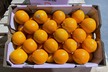
According to the initial estimate by the Lemon and Grapefruit Inter-branch Association (Ailimpo), Spain will produce 780,000 tons of Fino lemons in the 2025/2026 season, which is a 10% decline from the previous season. The forecast will be revised in September based on the fruit's size development.
Ailimpo reports that lemon trees are not reaching their full production potential due to climate change and pest pressure, resulting in lower yields per hectare and increased costs per kilogram.
Despite the reduced volume, fruit quality is expected to improve thanks to better phytosanitary practices against thrips. This improvement is expected to result in a larger share of fruit being destined for the fresh market. The volume decline will be most noticeable in the second half of the season, starting around the middle of the first quarter of 2026.
Latest data from the Ministry of Agriculture, Fisheries, and Food indicates that Spain currently has 31,635 hectares of Fino lemon trees. However, the expected harvest remains well below the 1.19 million tons reported in 2023/2024 and the past five-year average of 910,000 tons.
The outlook for the coming season is partly influenced by extreme weather events. The rains in March caused flower rot, hampering pollination and fruit set. Temperatures from January to June were above normal (the average temperature in June was 2.7 °C warmer than usual), which caused small fruits to drop. The frosts in January 2025 also caused damage in some Fino Tradicional producing areas, reducing the harvest.
Ailimpo also noted that Scirtothrips caused significant damage in the 2024/2025 season. However, they expect improved control measures next season to increase the amount of marketable fruit. The lemon moth (Prays citri) remains a threat on farms without proper control measures.
The organization highlighted that the sector faces major challenges and that growers need to adapt their practices to a changing climate while enhancing pest and disease management.
Source: interempresas.net