With the transition from winter to spring marking the end of imported lemon shipments from the southern hemisphere into the U.S., North American markets are still seeing some volume shipping from Chile, and more limited volume from South Africa. "This has been a particularly challenging season for lemons from a supply perspective," says Alejandro Moralejo, CEO of Salix Fruits, adding that northern hemisphere producers have faced significant shortfalls. Frosts hit Turkey, and Spain and China were both impacted by climate and production issues, leaving European, Russian, and Asian markets undersupplied at times.
In turn, this shift forced southern suppliers to redirect exports from their traditional destinations. "Argentina increased shipments to Europe and Russia at the expense of the U.S. market. South Africa focused more on Europe and Asia while Chile boosted exports to Europe, China, Korea, and Japan, also reducing volumes to the U.S.," says Moralejo.
Meanwhile, the U.S. itself suffered from a weak 2024 season, both in southern hemisphere imports and in California's domestic crop. "On top of this, uncertainty over new import tariffs added costs discouraged exporters, who sought more profitable destinations for their fruit," he adds.
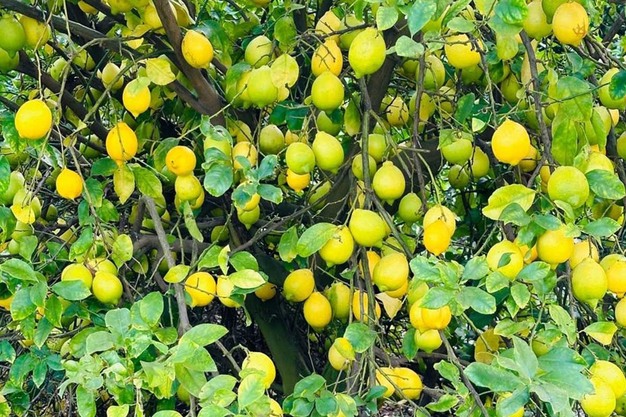 © Salix
Volumes up from the Southern Hemisphere
Overall, the 2025 southern hemisphere lemon campaign has shown stronger volumes over 2024's numbers across South Africa, Chile, and Argentina. The most pronounced growth is in Chile–up 32.6 percent in volume over 2024–followed by Argentina, up 22.9 percent in volume compared to last year, and South Africa, up 14.3 percent over 2024's volume.
In turn, northern hemisphere markets—especially Europe, Asia, and Russia—are expected to remain well-supplied thanks to continued arrivals, particularly from South Africa and Chile, while the U.S. is likely to face a lemon shortage. With Turkey still recovering from the severe frosts of 2024–25 and Spain forecasting lower production, an oversupply scenario in Europe and Russia is not expected in the near term. "Looking ahead to 2025–26, it is still too early to project, though the beginning of the northern autumn will offer clearer expectations," says Moralejo.
He also notes that for southern hemisphere growers, this season was crucial to secure solid volumes and prices to keep investing in the lemon category.
"Looking ahead, we will continue working closely with our partners to ensure a reliable supply for clients across diverse markets, while preparing for the 2026 season," says Moralejo.
 For more information:
Salix Fruits
[email protected]
www.salixfruits.com