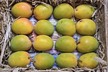
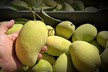
The National Agricultural Health Service (Senasa) reported that during the 2024-2025 season, Peru exported 289,508 tons of mango, a significant recovery from the 83,153 tons recorded in the previous season.
The increase is attributed both to a higher production yield and to the sustained application of sanitary measures in the main producing areas. The control and eradication of the fruit fly has been a decisive measure and was possible thanks to the joint work of producers, regional and national authorities, and Senasa.
According to the national head of the organization, the improvement in phytosanitary status has made it possible to maintain and expand access to more than 60 international markets. The United States, the Netherlands, and Spain were the main destinations last season.
Currently, more than 5,000 small producers with plots of less than five hectares, mainly in the regions of Piura, Ancash, and Lambayeque, participate in the export chain. This progress not only boosts sales abroad but also contributes to the strengthening of family farming.
In the 2024-2025 season, the Kent variety accounted for 98% of exports. It was followed by the Keitt, Haden, Tommy Atkins, and Ataulfo varieties, all of which have good international acceptance.
The production calendar ran from August 2024 to May 2025, with regional variations. Piura led production with 11,671 hectares (60.64% of the total), followed by Ancash with 4,497 hectares (23.36%), Lambayeque with 2,989 hectares (15.53%), La Libertad with 46 hectares, Cajamarca with 33 hectares, and Lima with 12 hectares.
In these areas, Senasa maintains phytosanitary surveillance, farmer training, and integrated pest control programs in coordination with local governments, associations, and private companies.
The country continues working so its mangoes can access new destinations such as Malaysia, Indonesia, Vietnam, Taiwan, Iran, and Argentina. It is also working to optimize the conditions for entry into strategic markets, including Chile and the United States.
Source: agraria.pe