The rainy weather at the beginning of spring has had a considerable impact on melon and watermelon yields during the first part of the season; however, over the next few weeks, the expected production levels should be gradually reached.
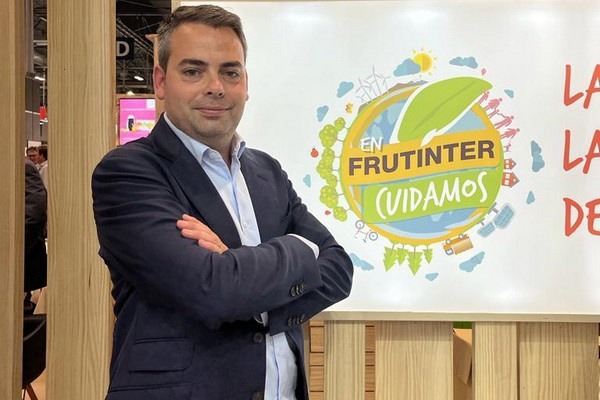
"The season has been particularly difficult due to delays in the planting and the impact of adverse weather conditions," says David Usó, Sales Director of Frutínter. "This situation has led to great instability in the supply and price fluctuations. Only limited volumes have been marketed so far, although a significant increase is expected in the coming weeks," he says.
 © Frutínter
"Demand, however, remains constant," says Usó. "At this time of year, it is essential to be well-positioned to supply the retail chains. We have this capacity and, as usual, we'll be able to meet all our clients' needs."
Frutínter offers an uninterrupted melon and watermelon supply from all production areas in Spain, as well as from its own plantations in Brazil. With 18 million kilos a year, the Piel de Sapo is the company's most widely sold variety, followed by watermelons, with between 10 and 12 million kilos, and yellow melons, with more than 1 million kilos.
The main market for those fruits is Spain, followed by several European countries, such as France, Germany, and Scandinavia. Retail chains are the predominant sales channel, with a strong presence in Barcelona and Madrid, and they also operate in traditional wholesale markets.
According to Frutínter's Sales Director, growing melons and watermelons is a great technical and agronomic challenge. "These are not easy crops to manage. Fortunately, in Spain we have a high level of professionalism amongst our growers, as well as varieties which are suitable and satisfactory for both the grower and the packers and distributors."
"As far as marketing is concerned, we are present in the main wholesale markets, we have a solid export business, and we also work closely with large retailers. Moreover, we are committed to providing added value through our premium brand Sinfonía," he says.
"Also worth mentioning is the Marymar project, a strategic initiative focused on cultivation in the Marjal area, in La Llosa and Almenara, to the south of Castellon. The melons grown are of the traditional Piel de Sapo variety, with high sugar levels and marketed under a brand under development which will soon hit the shelves," says Usó.
The Spanish orange season is coming to an end with rising prices
The main pillar of Frutínter's business is citrus fruits, whose season is about to end in Spain with the last Valencia oranges. Prices are rising, and imports from the Southern Hemisphere have started to be planned.
"The Spanish orange season is practically finished, with most of the production already harvested and in cold storage. We have the necessary estimated volume to fulfil our commitments to our clients, and we are confident that the market's current upward trend will continue," says Usó.
"When it comes to citrus supply, the Southern Hemisphere represents a strategic complement for us. At the moment, we are already setting up import programs to guarantee an uninterrupted supply all year round, as our service standards require," he says.
 For more information:
Frutínter
Tel.: +34 964 506310
[email protected]
www.frutinter.com