The Hungarian sour cherry season typically launches in mid-June, with the current year presenting a challenging outlook for high-tech greenhouse growers. Both domestic and European yields seem limited, and processed inventories remain low, raising anticipations for the initial harvest—a situation unseen for decades.
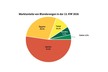
Hungarian sour cherry orchards span around 12,000 hectares, with nearly 55% in the north-east and 25% distributed across Pest and Bács-Kiskun counties. Over the past decade, yields have fluctuated between 55,000 and 80,000 tons, but recently, the area under cultivation has diminished by about 2,000 hectares, with aging plantations adversely affecting production stability. In a balanced season, Hungary can produce 60,000 to 70,000 tons; however, only 53,000 tons were harvested in 2024. The current forecast suggests an even lower outcome.
The growing season began promisingly, with normal spring flowering, yet early April frosts inflicted considerable damage. Temperatures plummeted to between -2 and -6°C on April 7, dropping further to below -8°C in certain regions. The north and northeastern cherry belts faced extensive damage, compounded by subsequent freezing on April 8, affecting the Danube-Tisza region. Only Kisalföld and Lake Balaton areas reported lesser impacts. Additional frost on May 10 in the northeast caused further damage to budding trees.
The frost-induced yield decline is poised to be drastic. Predictions indicate national yields potentially dropping to around 35,000 tons, with a variance of +/-15%. Early-ripening varieties like Meteor, Érdi jubileum, and Érdi bőtermő expect losses nearing 80–100%, severely impacting the processing industry reliant on these cherries. On the other hand, clustered varieties such as Debreceni bőtermő, Újfehértói fürtös, and others face up to 50% losses. Ongoing fruit shedding could still alter final yields. Interestingly, fewer fruits might lead to increased fruit size.
Monilial infections during flowering have been challenging for producers. Those who implement timely plant protection measures may avoid severe damage, keeping quality issues at bay. As the season unfolds, stakeholders anticipate impacts on market conditions: disrupted supply chains, low inventory, and potential price shifts may shape the upcoming period.
Source: Trade Magazin