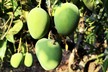
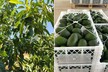
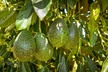
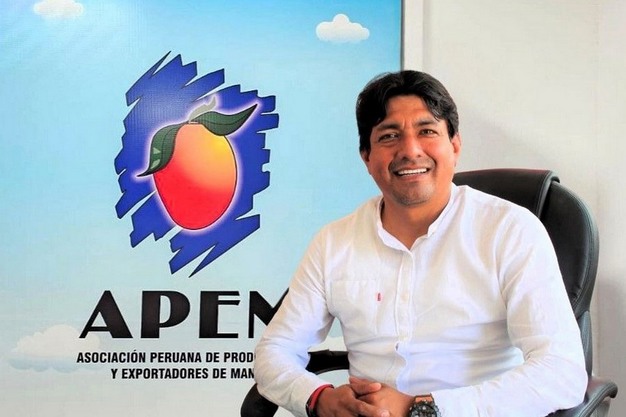
The 2024-2025 Peruvian mango season was one of contrasts. While export volumes reached historic levels, climatic and logistical factors tested the sector's sustainability. According to Carlos Iván Vílchez Peralta, president of APEM, the country exported 286,311 tons, equivalent to more than 71 million 4-kilo boxes, 258% more than in the 2023-2024 season and 13% more than in the 2022-2023 season.
 © APEM
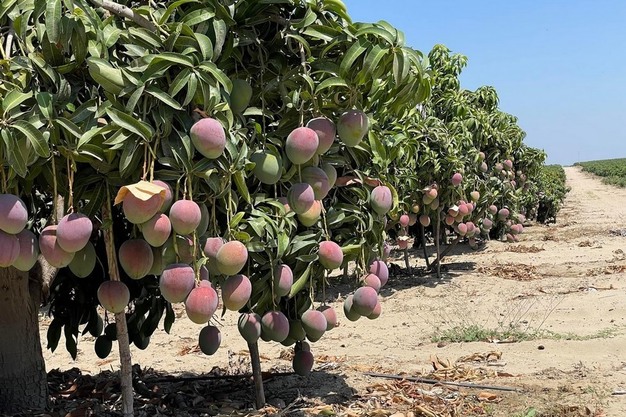
"This increase was due to favorable weather conditions for flowering, with lower temperatures than usual, and the entry into production of new areas in Piura, Motupe, and Casma. However, we faced a serious water shortage due to delayed rains, which significantly reduced reservoir levels in Poechos and San Lorenzo," Vílchez stated.
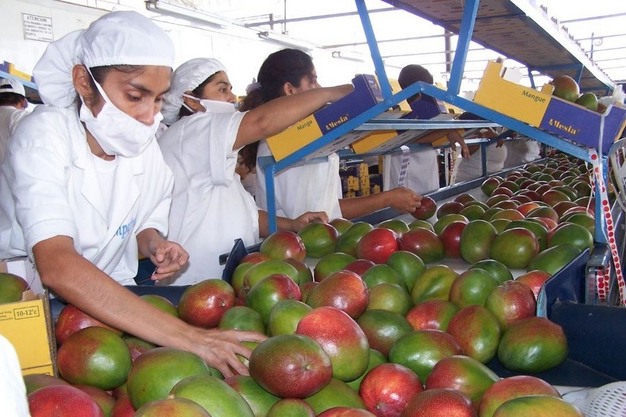
APEM confirmed that Europe remained the main destination, absorbing about 140,000 tons, followed by the United States (113,000 tons), Canada (13,000 tons), and other markets such as Japan, Korea, and China (frozen fruit). The season was concentrated in a few weeks due to overlapping harvests in different producing regions, which led to an oversupply that pushed prices down.
 © APEM
"Prices were not as expected, and many farmers could not even cover production costs," the president of APEM stated. In addition, there was competition for space on ships with higher-value fruits per kilo, such as grapes and blueberries, which made it difficult for Peruvian mangoes to secure a place in the logistics chain.
Internationally, Peru faces growing competition from Brazil and Ecuador. Brazil, with year-round production, has gained ground in strategic weeks such as October and November. Ecuador, for its part, remains a strong supplier to the United States. In this context, APEM has set as priorities improving harvest scheduling, strengthening water infrastructure, and diversifying export markets.
 © APEM
Despite the complications, Vilchez highlighted the efforts of small producers, who represent the majority of the sector, and the training programs that APEM develops together with Senasa, Senamhi, and Promperú to improve quality, safety, and export capacity.
"It's still too early to estimate volumes for the 2025-2026 season, although initial weather conditions are promising. Moving towards a staggered harvest, promoting domestic consumption, and continuing to position the Kent mango, which is recognised worldwide for its flavor, fibre-free texture, and long shelf life, will be key," he concluded.
For more information:
Carlos Ivan Vilchez Peralta
APEM
Peru
Tel.: +51 991 711 971
Tel.: +51 977 609 604
Email: [email protected]
www.peruvianmango.org