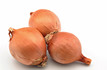
The sandy soils of Malaga, Huelva, and the municipality of Guardamar, in the province of Alicante, are perfect for sweet potato cultivation. In Spain, potatoes are overwhelmingly more present, but in other countries, such as Italy and the United Kingdom, sweet potato consumption is also common.
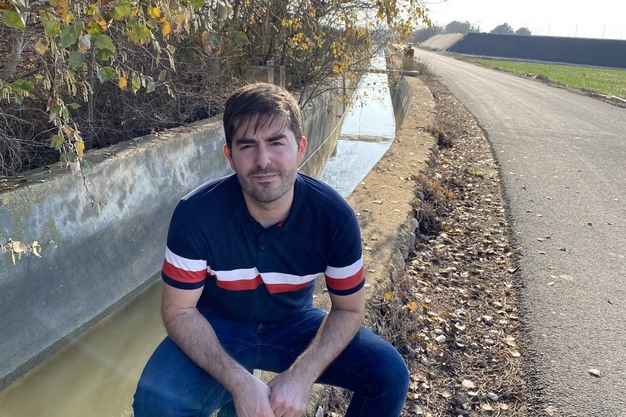
The largest producer of sweet potatoes is North Carolina, in the United States. "We have a long way to go, considering that the United Kingdom is still choosing to import sweet potatoes from the U.S., when Spain is so much closer," says Francisco Mora, deputy director of Agropaco, an Alicante-based company specializing in broccoli, pumpkin, Romanesco broccoli and, of course, sweet potato cultivation.
 © Agropaco
This tuber is a healthy product thanks to its high fiber content and is widely consumed in North America. "It's like the turkey of vegetables," says Mora. "We don't eat a lot of it in Spain, but consumption is on the rise. For example, in gourmet burgers, French fries are being replaced with sweet potatoes because of their sweetness and orange color."
Because of their thin skin, sweet potatoes require soft sandy soils, and Egypt, a country with sand and water, has become "a major competitor in recent years," says Mora. "We are very concerned because companies in Andalusia have had to close due to unfair competition in terms of sustainability, quality, and labor," says the executive, adding that "companies are suffocated by absurd CAP policy."
"The Egyptian sweet potato season does not overlap exactly with the Spanish one, but during the most important sales period, between October and January, including Christmas, they do us a lot of damage, as huge shipments arrive at very low prices," he says.
Mora points to another problem with mass sweet potato imports from Egypt. "Molds and bacteria are spreading because foreign products that do not meet the required standards are allowed to enter."
Only "ASAJA is helping us with this competition problem," says Mora, adding that "we cannot complain that agriculture is disappearing and that new generations aren't taking over if institutions allow unfair competition."
As for broccoli, "We only grow it in winter. We have been suppliers to the British Royal Family, Harrods, and schools; we don't take any chances in terms of quality," says the executive.
"Romanesco broccoli is a common vegetable in Italy, but is not yet established in Spain. Pumpkin needs institutional support to promote its consumption. People spend little time cooking and are eating less and less fruit and vegetables. In the United Kingdom, there is a preference for exotic or premium products in the off-season. It would be desirable for people to be educated on how and when to eat and cook traditional fruits and vegetables," says the manager.
For more information:
Francisco Mora
Agropaco
Tel.: +34 677 41 46 68
[email protected]
https://agropaco.com