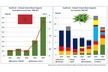
Türkiye's 2025 fresh produce output is projected to decline due to a severe frost event in April, causing a temperature drop of up to 10 degrees Celsius nationwide. Key growing regions experienced significant crop damage.
TurkStat data projects a 24.4% reduction in fruit, beverage, and spice yields, decreasing from 28.4 million to 21.4 million tons. Apple production could decrease by 38.7% to 2.7 million tons. Peach and nectarine yields might fall by over 30%, while cherry output may drop by 55.7%. Impacts extend to apricots, grapes, figs, plums, and persimmons. Citrus yields for oranges and lemons might reduce by 12.4% and 20.9%, respectively. Olive production, already volatile, may decline by 40%, though banana yields remain stable.
Strawberries enter the market from closed cultivation, with high prices due to limited supply. Early cherry harvests, anticipated in late May, could face similar challenges as other stone fruits.
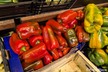
Overall vegetable production could decline by 1.7% to 33 million tons. While watermelon, eggplant, and onion may see minor gains of 3.5%, 3.3%, and 2.6%, tomato output, a primary export, may fall by 5.7%. Peppers and green beans also face modest declines.
The frost has affected food prices, with the CBRT increasing its 2025 food inflation forecast to 26.5%. Although April's annual inflation eased to 36.09%, a 2.01% monthly rise shows continued consumer pressure. The 2026 forecast remains at 13.5%, though inflation concerns persist.
Türkiye's agriculture faces increasing climate volatility. Central Bank Governor Fatih Karahan notes that the frost hindered inflation expectation improvements. Experts stress climate resilience, early warning expansions, and post-harvest improvements to mitigate these effects.
Source 1: Daily News
Source 2: Turkiye Today