The 2025 cherry season in California begins amid forecasts of a drastically reduced harvest. Experts anticipate a 50% drop in yield compared to 2024, resulting from unusual precipitation patterns and warm temperatures disrupting bloom cycles.
San Joaquin County, a key cherry-producing region, predicts potential financial losses reaching $100 million. In response, the local Office of the Agricultural Commissioner has sought a disaster declaration from state authorities to secure emergency assistance, aiming to support affected growers.
Such a declaration aligns with one made in 2024 in Washington, the leading cherry-producing state in the United States, where low-interest loans of up to $500,000 were facilitated by the U.S. Department of Agriculture across nearly 1,500 production facilities.
 © USDA
In California, cherry harvesting generally commences in May, extending through early June, although variability in bloom times can push harvests into July. However, climatic conditions this year may not favor an optimal schedule, with the California crop facing a downturn in varieties like Coral and Bing.
Contrastingly, producers in the Pacific Northwest remain optimistic. Washington and Oregon's orchards benefit from stable precipitation and extended cold snaps, fostering conducive growing conditions. Specialists at the University of California's Division of Agriculture and Natural Resources emphasize the role of "chilling hours" in sweet cherry development, where temperatures range from 46 degrees to just above freezing. A deficit in such hours can compromise fruit quality and yields, impacting regions of California.
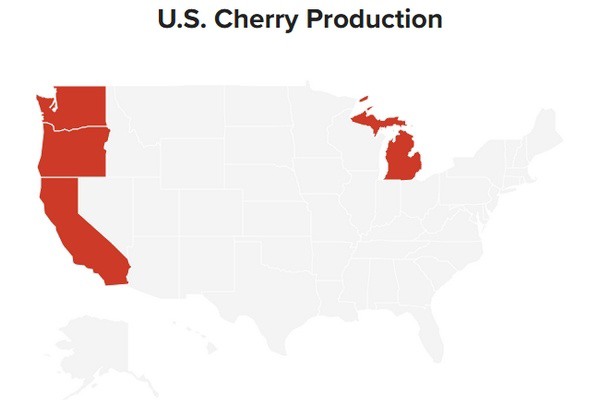
Given cherries' limited shelf life post-harvest, rapid transport to market is crucial, as production and demand wane significantly post-summer. Washington continues to lead U.S. cherry production, followed by California and Oregon, according to the USDA.
Farmers also face trade uncertainties related to tariffs that can affect pricing and demand, particularly in key European and Asian markets.
Source: Fox Weather