Canada is emerging as a potential strategic market for the diversification of Colombian avocado exports; however, it remains an under-explored destination due to logistical, commercial, and reputational challenges. While Mexico continues to dominate with 99% of the supply, Colombia has a real opportunity to grow if it focuses on quality, consistency and long-term vision.
Mauricio López, CEO of the Colombian company Cosmo Fruit Global, sums it up as follows: "The Canadian market is growing and offers opportunities, but it doesn't yet perceive Colombia as a reliable avocado supplier. The lack of credibility and knowledge about Colombia's potential represents a significant challenge. The goal is to ensure that consumers, importers, and retailers get a positive experience based on the quality and taste of the domestic production. Only then will Colombia be able to position itself as a competitive and reliable supplier with a stable market presence."
 © Cosmo Fruit
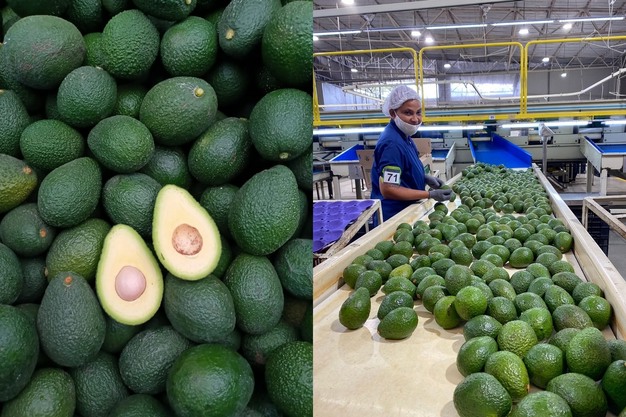
"Canada offers clear advantages. It doesn't impose tariffs thanks to the FTA with Colombia (unlike the 10% in the U.S.), it has a stable demand of 75-80 weekly shipments in 2025, and it still has room for growth. Moreover, it prefers medium and small sizes (60, 70, 84), which makes it a good match for Colombia's supply. It also has lower certification requirements than the European market," he says.
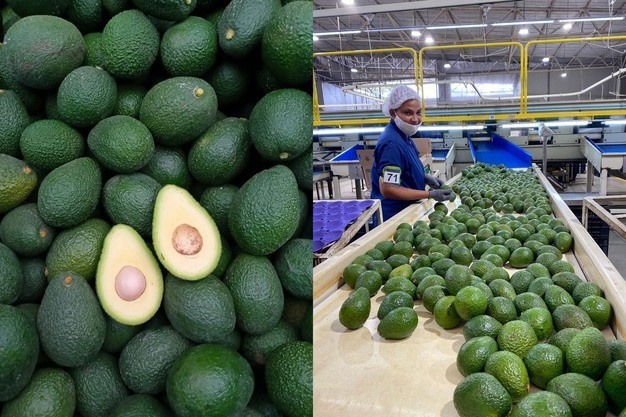
"In terms of logistics, Colombia has an efficient route. Transit time from Cartagena to Toronto or Montreal is around 12 days. Logistically, we are well-connected. Shipments don't take long to arrive, and we wouldn't define such operations as high risk, as long as they are well coordinated," says López.
 © Cosmo Fruit
The main obstacle has been a lack of consistency: irregular deliveries, unreliable quality, and logistical issues. "This is a black-and-white market. Gray areas are risky. If you deliver quality, good planning, and strategy, the market responds," says López.
Exporting via the U.S. increases logistics costs by $1,300-$1,500 per shipment, but López sees this as a strategic investment. "Canada remains a highly unexplored market for Colombia, with room for growth if we manage to work with focus, consistency, and attention to detail."
Unlike Europe, where more than ten suppliers compete against each other (including Spain, Morocco, South Africa, and Peru, among others), Canada isn't as saturated. Mexico is the leading supplier by far, followed by Peru, which has gained ground thanks to its volume and improved flavor. Colombia is gaining ground slowly, but there's good potential.
 © Cosmo Fruit
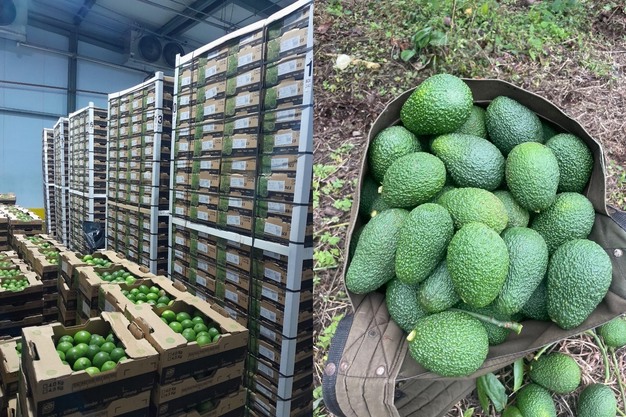
"To be able to compete, Colombia must focus on quality, standardization, and phytosanitary compliance, areas where significant progress has already been made. There's still plenty of work to be done. This market demands stability in prices and quality. That is what Colombia must deliver to consolidate its position," says López.
He also highlights that Canada, as a more stable market with less demanding certification requirements than Europe, as well as better average annual prices, represents a real opportunity. "There is no room for improvisation. This market requires planning, professionalism, and commitment. If you don't prepare, you'll be left behind," he says.
 © Cosmo Fruit For more information:
Mauricio López
Cosmo Fruit Global Inc.
Tel.: +1 647 5300327
[email protected]
www.cosmofruitglobal.com