The frosts that the Turkish cherry growers have had to endure will have a major impact this season, says Yigit Gokyigit, Commercial Coordinator for Turkish fresh produce exporter Alanar: "The frost this year is one of the worst agricultural disasters that has occurred in Turkey for years. It affected nearly the entire country and impacted cultivated areas, occurring not even once, a total of three times as in February, March, and April. In some regions, the damage grew exponentially. The first agricultural frost disaster occurred in February in Adana, Mersin, and Hatay, and then in March, the Aegean region was hit. In mid-April, the agricultural frost across the country caused a second and even more severe disaster in all these regions."
 © Alanar Meyve ve Gıda Üretim ve Pazarlama San. ve Tic. A.Ş.
Gokyigit doesn't feel that exports of Turkish cherries will disappear completely this season. "There will be cherries of exportable quality available, especially in the Izmir and Manisa regions. Unfortunately, the main cherry region of the country, Afyon, is deeply affected, so there will be very limited volume of cherries available for export from there. I've not heard anything about the Turkish government intervening in terms of exports, so those with exportable cherries will be able to export them."
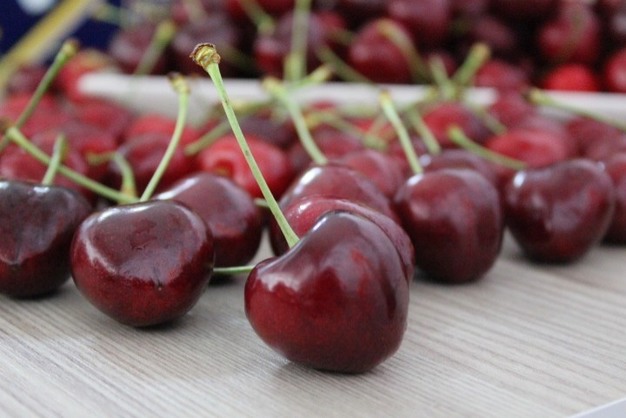
A lot will depend on the price of the Z-900 variety, of which the harvest starts next week, Gokyigit explains: "The Turkish cherry season has started already, with the early varieties. Grower prices are super expensive at the moment, due to limited volumes that are available. In one week from now, Z-900, the main variety of Turkey, will also start. The price of the Z-900 cherries will be crucial to the success of the season. However, it looks like their prices are likely to be higher than ever."
 © Alanar Meyve ve Gıda Üretim ve Pazarlama San. ve Tic. A.Ş.
The Spanish cherries might be able to cover the gap that this lack of Turkish availability will create. "Spain is the major rival of Turkey in the European market, and I think they may fill the gap of lost crops of Turkish cherries in Europe. In the Russian market, Uzbek cherries may have the opportunity due to the lack of Turkish cherries this season. I think there will be a limited amount of exports this season compared to previous years. The season will be shorter, maybe ending at the end of June. After the cherries in the Izmir and Manisa regions are finished, there will not be much volume to export," Gokyigit concludes.
For more information:
Yigit Gokyigit
Alanar
Mobile: +90 549 804 87 56
Email: [email protected]
www.alanar.com.tr