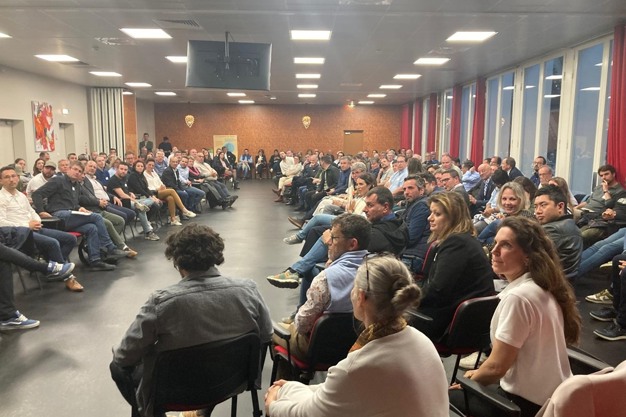
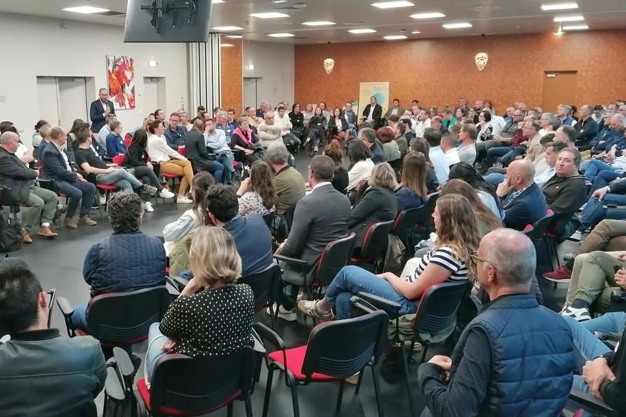
Last Tuesday, on the eve of medFEL, the Interprofessional Melon Association (AIM) and Peaches and Apricots of France organized a technical day, followed by an evening debate at the Palais des Congrès in Perpignan, attended by more than 180 people. Season management, production costs, and agreements with retailers: a look back at the highlights of the launch of these two campaigns.
 © AOP Pêches et Abricots de France
Two half-days of technical presentations
The aim of this day was to "take the temperature of future campaigns, update ourselves on the latest technical information and give suppliers and clients the opportunity to get together," explains Raphaël Martinez, director of Peaches and Apricots of France. This meeting is all the more important in that it strengthens the link between the upstream and downstream sectors, which is essential for "smooth and fluid commercial relations. We need to show what is at stake, and therefore all the different aspects and phases of production," explains Jérôme Jausseran, vice-president of AIM. According to him, although the products are different, the difficulties are the same (rising production costs, fewer phytosanitary solutions and therefore increased health pressure, climatic hazards...). Those taking part in the melon morning event met up at Force Sud in St-Thibery (Hérault department) for a tour of the farm and a discovery trail: packaging workshop, quality, biodiversity, planting, and production. The stone fruit afternoon took place in Torreilles (Pyrénées-Orientales) on the Les Fruits du Canigou farm, with a production workshop, and a focus on the effects of climate change, the eco-responsible orchard approach (production methods, agroecology...), new varieties, and the product range.
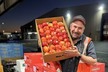
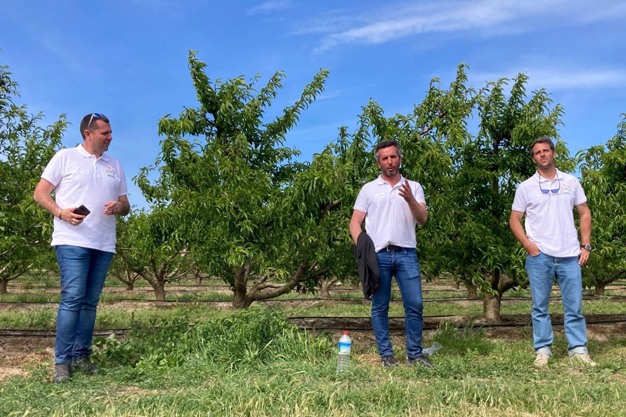 © AOP Pêches et Abricots de France Technical visit to the Pyrénées-Orientales. Alexandre Morin (Savajols), David Massot (Fruits du Roussillon) and Samuel Alteirac (SAS Estagel), 3 producers from generation Y, the future generation at the head of Peaches and Apricots of France.
Melons at 0.99 cents
This was followed by an evening debate at the Palais des Congrès, during which the melon sector reiterated the importance of improving the product's price image. "Since the creation of Melon GRP (Group of Reflection on Melon Prices) led by Interfel, several points have emerged. Melon is the most heavily promoted of all fruit and vegetables in relation to its shelf life," explains Jérôme Jausseran. "But it is also the product that most regularly suffers from the economic crisis, with a price image that is far too low." The melon sector is therefore hoping to make progress on this point, with the support of the retail sector, because a retail price that is too low is devastating for the sector. "Since the International Agricultural Show in Paris, following the Melon GRP, we have met with all the players in the supermarket sector, and even though nothing has been officially signed, we have obtained an oral agreement from almost all the chains that none of them will put forward a 99-cent price per 12-gauge piece. If it does happen, all the distributors are unanimous that they will retaliate."
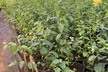
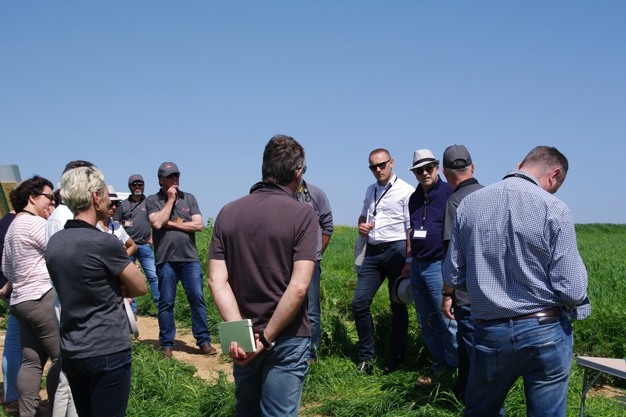 © Assocation Interprofessionnelle du Melon Technical visit to Force Sud in Hérault
Special offers and promotional operations at the right time
While the needs of the two sectors are different, some priorities are the same. This is particularly true of promotional operations that should coincide with production peaks. For peach and nectarine apricots, "programming is essential to avoid crises," explains Raphaël Martinez. With this in mind, and as part of its partnership agreements with supermarkets, Peaches and Apricots of France is offering an apricot fortnight from June 23rd to July 5th. The aim is to showcase French production on the shelves during this peak in production, by offering a wide range of products, from premium ripe to bulk products and low-price tubs. During the fortnight, the association will be running a radio campaign to support the event. The same goes for melons, but "unlike stone fruit, melons cannot be scheduled, since peak production cannot be estimated in advance. In this case, promotional offers need to be adapted each year to match the supply," explains Jérôme Jausseran.
 © Association Interprofessionnelle du Melon
Pressure on prices and production costs
Other topics discussed during the evening debate included the use of production costs as a market indicator, an issue that concerns all sectors faced with rising production costs. "We cannot have continuous downward pressure on prices from retailers, because we will not be able to cover our costs," explains Raphaël Martinez. This aspect is also essential in the melon sector, with one difference. "As melons are bought by the piece, and the cost price is calculated per kilo, it cannot be used as a market indicator. However, we know that labor accounts for the largest share," explains Jérôme Jausseran.
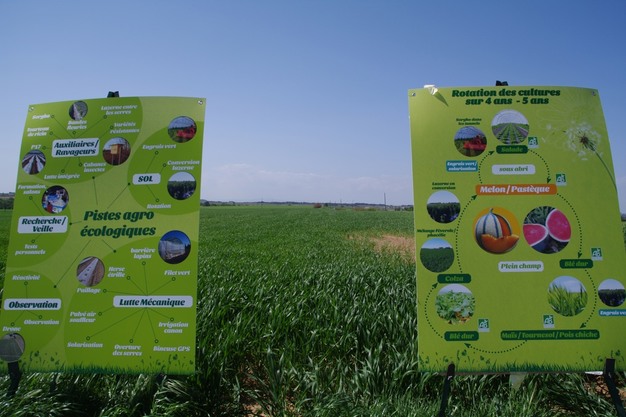 © Assocation Interprofessionnelle du Melon Technical visit to Force Sud in Hérault
For more information:
Pêches et Abricots de France
1120, route de Saint-Gilles
Mas de l'Agriculture
30000 Nîmes
Phone: +33(0)6 09 98 38 09
AIM Melon
1 rue Charles Lacretelle
49070 Beaucouzé
Phone: +33(0)6 03 16 84 33