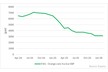
With a sustained production throughout the year, Brazil's Tahiti lime sector is experiencing an oversupply that has generated a marked pressure on prices, especially in the European market. Factors such as international competition, variability in demand, and logistical problems in strategic ports are influencing this situation.
 © Citrolima e Pacheco
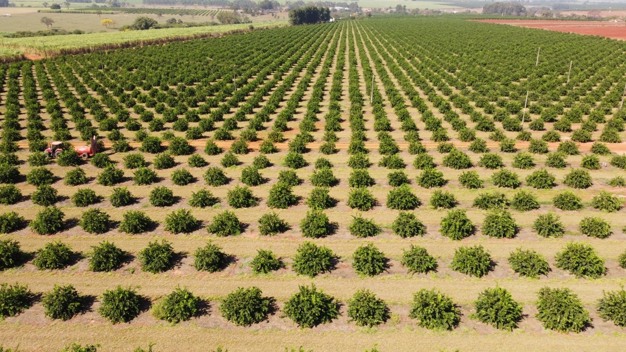
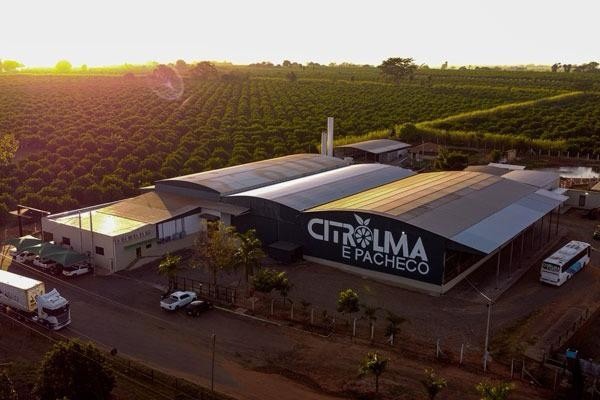
"Each year, we allocate part of our investments to developing new cultivation areas, aware of the importance of rigorous quality management and guarantee of origin to meet the standards demanded by the market. We currently grow about 90,000 plants on approximately 300 hectares located in Itajobi, in the interior of São Paulo, focusing exclusively on the Tahiti variety," stated Keslley Parra, representative of Citrolima e Pacheco in Brazil. The company projects an increase in production volume in 2025, driven by the start of harvests in new areas, as well as improvements in facilities and operations.
 © Citrolima e Pacheco
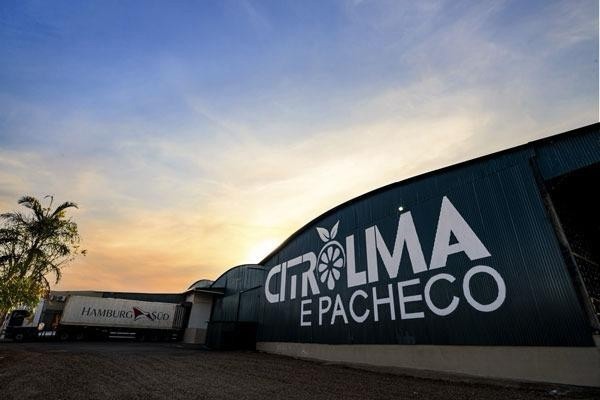
"In 2023, we began to carry out export business directly," Parra stated, highlighting the transition from working through intermediaries to directly managing their exports. This has prompted the construction of a second packing house to meet demand from Europe and the UK.
The Tahiti lime peak season aligns with the European summer, with the highest harvest volumes concentrated in this period. During these months (between April and June), harvest volumes increase to supply mainly Europe and the United Kingdom, with additional distribution to Germany, Spain, and France via the Netherlands. In parallel to international demand, the company also serves the Brazilian domestic market throughout the year, adjusting supply according to the needs of each destination.
 © Citrolima e Pacheco
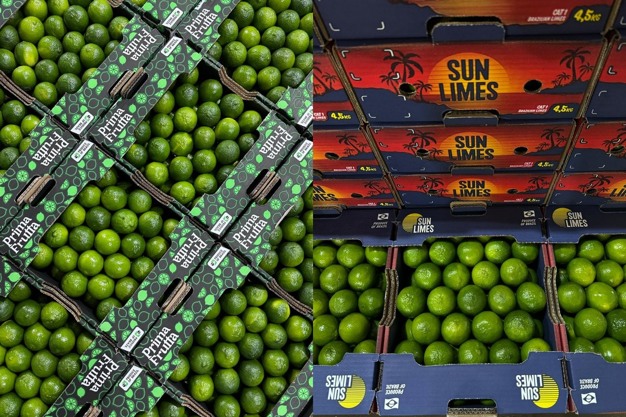
However, the European market is volatile. "The market is unstable. There is a lot of fruit at the destination," Parra said, adding that the oversupply puts pressure on prices. "Current prices reflect this situation. They are significantly lower than in the same period of the previous year," Parra stated. Despite this, he emphasized, "Even in a complicated market, good quality fruit finds its space."
 © Citrolima e Pacheco
Parra said that logistical difficulties in the ports of origin and destination affected the quality of the product. Issues at origin include changes in departure terminals, storage spaces, and problems regarding the availability of empty containers; at destination, especially in London, they include recent delays and omissions of stopovers in ports "We are working with weekly schedules based on information provided by the shipping lines to ensure efficient logistics," he said.
In addition to strengthening its presence in Europe, Citrolima is exploring opportunities in Latin America, Eastern Europe, and in opening markets. "Market and logistics situations strongly influence the expansion strategy," Parra stated.
 © Citrolima e Pacheco For more information:
Keslley Parra
Citrolima e Pacheco
Tel: + 55 17 99746 9077
Email: [email protected]
www.citrolimaepacheco.com.br