Tamarind is categorized into sweet and sour varieties. With its naturally sweet and tangy taste and rich nutritional profile, tamarind aligns well with consumers' growing focus on health. Over the past two years, its market awareness has expanded rapidly, and its applications continue to broaden.
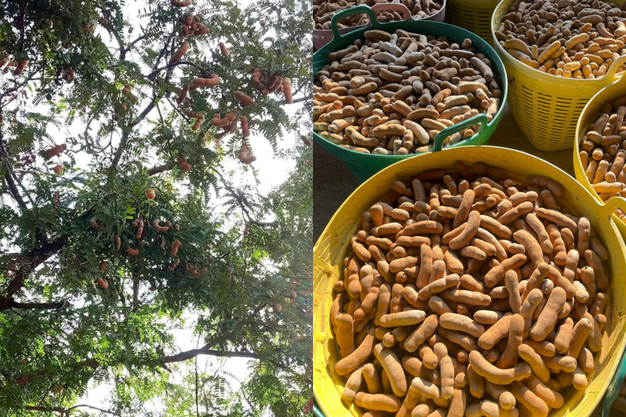
CTF THAILAND cultivates tamarind in Thailand, operates a fresh fruit OEM factory, and engages in exports and sales. Last year, the company ranked among Thailand's top three tamarind exporters. Jason Xu, the company's director, shared insights into the current tamarind market.
"Tamarind has a wide range of applications. The pulp is rich in protein, organic acids, dietary fiber, and essential minerals and vitamins, while its fat content remains low. As a pure, natural dried fruit, it is particularly beneficial due to its high calcium and fiber content, making it an excellent choice for pregnant women, the elderly, children, and individuals with digestive issues. Beyond fresh consumption, tamarind is also widely used in food and beverage industries, including snacks, juices, cosmetics, food additives, and even medical care. As a result, market demand for tamarind is growing exponentially."
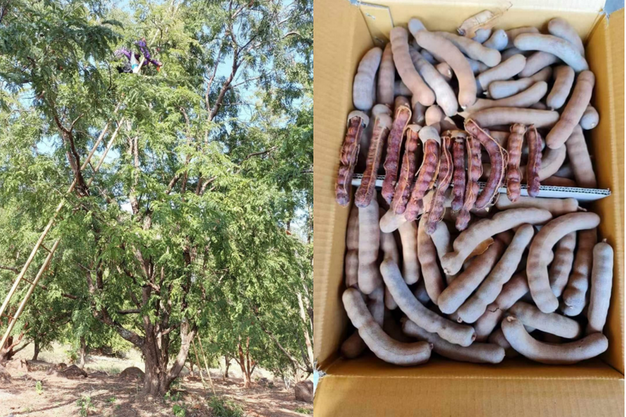
"We export large volumes of fresh tamarind raw materials, along with some finished pulp products, to China, the United States, Europe, and other markets. Preferences vary across regions. For example, the Chinese market favors large packages of fresh fruit raw materials, along with finished products that are either completely seedless and shell-free or retain the seeds but have the shells removed. In contrast, the U.S. and European markets prefer smaller, 1-pound packages of fresh fruit. These markets are expanding rapidly, with China and the United States showing particularly strong growth."
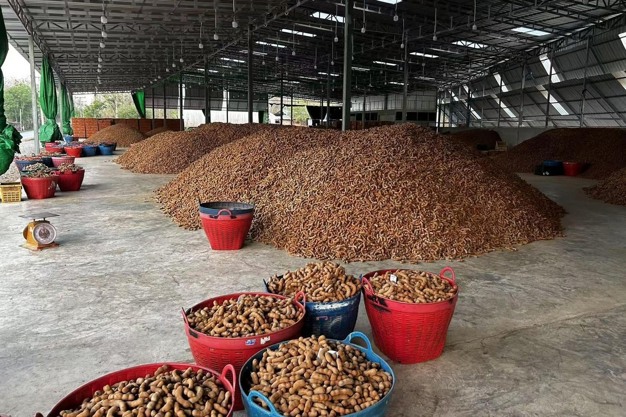
Thailand's fresh tamarind season typically runs from mid-to-late December to mid-May, after which the fruit is sold from cold storage. However, due to unfavorable weather conditions, this year's production has dropped significantly, leading to a shorter harvest season. "Production is down about 40% compared to last season, and the fresh fruit season is expected to end early, around early April. Last year's inventory has already been sold out, and the sharp decline in supply has pushed prices higher. This year's initial price is equivalent to last year's peak price and continues to rise."
Regarding market reactions to the price increase, Jason noted that, since tamarind is still gaining recognition as a specialty product, price fluctuations have had little impact on market demand.
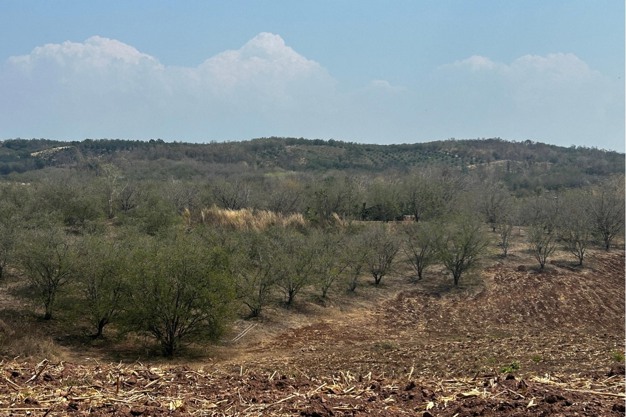
"In terms of cultivation, as tamarind aligns with consumer preferences for natural and healthy foods, we emphasize ecological sustainability in orchard management to maintain product quality and environmental balance."
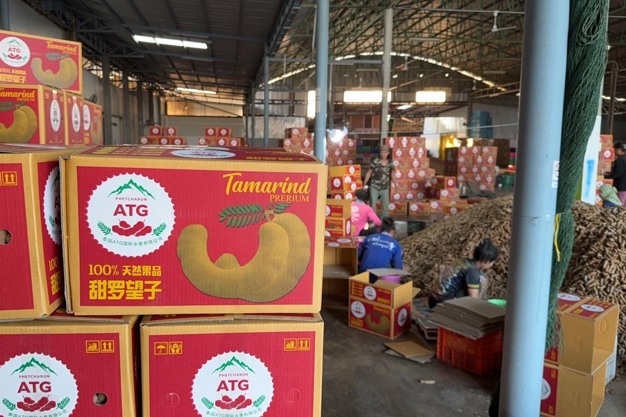
CTF THAILAND's production and processing company, ATG INTERNATIONAL, operates four factories in Thailand specializing in fresh tamarind OEM production. The company exports to China, the U.S., Europe, and other key markets, offering a variety of packaging options, including bulk shipments, 1-pound small packages, and processed fruit pulp.