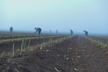
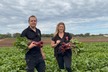
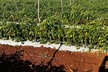
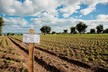
Artichoke harvest in Messinia, in southern Greece, is in the middle of its season. "We started harvesting at the beginning of February from 30 hectares of early farms. With proper growing methods, we can get about 60.000-70.000 items per hectare from these farms, but we are waiting for more hectares to come into production towards the end of March," says Mr. Dimitris Livas, owner of Agroktima Liva, which specializes in artichokes.
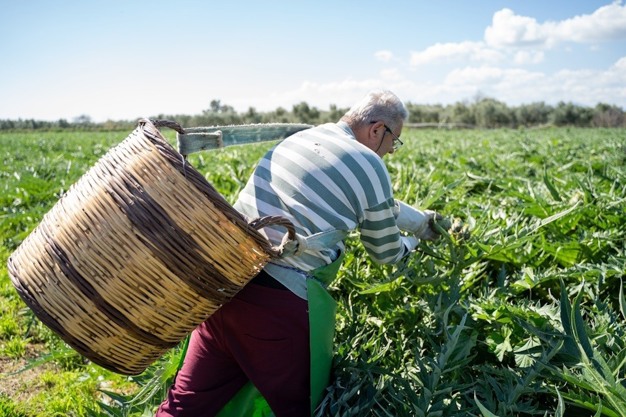
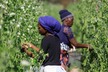
The course of the season has been challenging so far. As Mr. Livas explains: "The cultivation cost has significantly increased, without a similar price increase. It discouraged many growers from preparing their farms in the right way or fertilizing their plants properly. The cultivation season was marked by a lack of sufficient water and workforce. Artichoke is a labor-intensive cultivation, coinciding with the olive harvest, and it seems workers had no dilemma about what to choose."
Neither are the marketing conditions optimal, according to the Greek entrepreneur: "Demand for fresh artichokes is still low both in Greece and abroad, and much of our product is being processed and sold in frozen form. We expect demand to increase towards the end of March. The warmer weather conditions and, particularly in Greece, the beginning of the tourist season make our product more attractive."
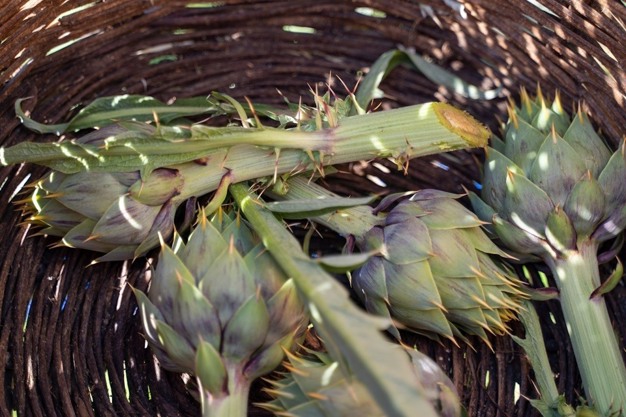
Climate change has had a dramatic impact on the Greek artichoke, greatly limiting its harvesting season. "Formerly, we could harvest artichokes till the end of May. Now, as the temperature in southern Greece rises significantly earlier to high levels, we have lost almost all of this month. Artichoke hearts get dry, and we are forced to stop harvesting in the first week of May," stresses Mr. Livas. "There is nothing we can do to avoid this. Increasing irrigation would not only be futile, but it could also create excessive humidity, which could destroy the plant."
However, Mr. Livas also sees some good signs. "The consumption profile of artichokes has started changing. We see artichokes being included in more dishes and cooked in new ways, both in Greece and abroad. We were already active in fresh artichoke exports, but this year we started a new collaboration with three Greek restaurants in France. They use our artichokes both in their main dishes and salads."
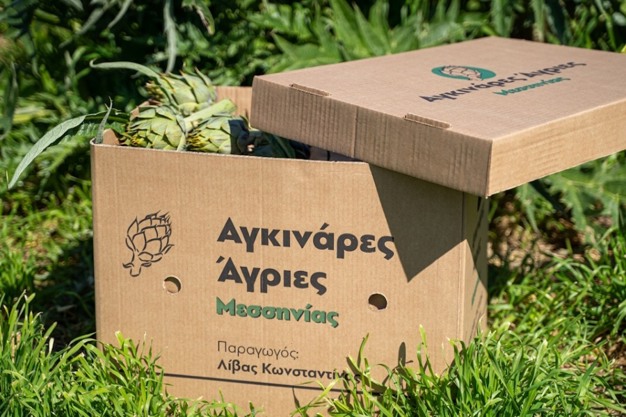
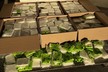
"We also export our frozen artichokes, which is easier because fresh artichokes lose their visual attractiveness after one week in the fridge, though they remain edible and tasty. In order to maximize their durability, we pack them wrapped in nylon inside a triple-carton box," Mr. Livas concludes.
For more information:
Dimitris Livas
Agroktima Liva
Tel: +30 272 103 2911
Mob: +30 693 614 3243
Email: [email protected]
https://www.agroktimaliva.gr/