"When we talk about papayas, our primary focus is on the Formosa variety. We also offer a range of other varieties, available in a diverse range of shapes and sizes. The Golden variety, for instance, is smaller in size but of an equally high quality. We import these fruits by air only, as we believe that transporting them by other means does not allow us to appreciate their quality. I have consistently advocated for this approach since I began my career in the sector, recognizing the limitations of sea transportation. Ever since we switched to air transport, the choice has made more sense year on year," says Stefano Achilli, category manager at Alimentari Ortofrutticoli ABC.
"We are currently operating in conditions of supply exceeding demand for papaya, as is the case with other exotic fruits. This is not only the case in Italy, but across Europe as a whole. There is a surplus of supply at the moment, particularly given the low sales and consumption figures this month. As an exotic or super exotic fruit, papaya is not considered an essential item in most families' diets, with apples, pears, oranges and bananas forming a more regular part of their shopping lists. As a result, all exotic products are experiencing a decline in consumption levels."
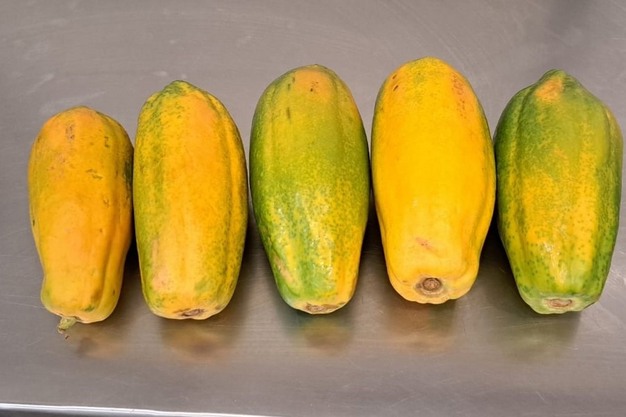
"The Formosa and Golden varieties of papaya have their origins in Brazil. Brazil is the primary source of papayas in Europe, but there are numerous other countries that also produce this fruit, including Italy, which has been increasing its market share in recent years. However, Brazil has a significant competitive advantage due to its lower transport costs, which allow it to maintain competitive pricing," says Achilli. "I have approximately 21 years' experience in the papaya sales industry. I can confirm that the elevated price point of the fruit is not solely due to the Brazilian producers, but is largely influenced by various factors, including air transportation costs, tolls, phytosanitary controls, and other expenses such as customs, which can significantly impact the final price. The phytosanitary controls may necessitate the fruit remaining in cold storage for 3-5 days, which would result in considerable additional costs," he adds. "Air transport alone accounts for approximately 50% of the total cost of papaya sold in Italy." According to the manager, it is extremely difficult to import the fruit from other countries due to the high cost of air freight.
"In the countries of origin, some papaya producers have encountered pest issues that have resulted in the shutdown of their plantations and a relocation of approximately 400–500 kilometres to resume cultivation in subsequent years. This issue did not affect all producers, but only a few. For instance, we have a supplier who maintains a weekly delivery of papaya from Brazil despite encountering seasonal challenges. In November, the quality of the fruit improved and is expected to remain at a high level until the end of the year/mid-January, thanks to production in other areas," says Achilli. "However, in other areas, there were issues due to heavy rainfall that resulted in flooding of the fields. Intense rainfall for an extended period can result in spoilage or illness of the fruit, rendering a quality harvest unfeasible and consequently leading to the inability to export. Nevertheless, given the current low consumption levels, there will be no shortage of papayas for the Christmas period."
Tasting events in supermarkets
"Our company organises promotional events to encourage people to try papaya. We recently held a promotion in Rome and are now extending our initiative to 60 outlets in Apulia. Our aim is to promote the consumption of papaya when it is at its optimum ripeness and ready to be enjoyed," says Achilli. "However, one of the challenges we face is that the fruit and vegetable departments in some supermarkets are often not managed effectively. We are committed to providing guidance on how to improve the management of tropical fruits, with a focus on optimal selling techniques. For example, supermarkets may wish to consider creating a dedicated area where imperfectly fresh fruit can be sold at a reduced price, rather than being thrown away. This would allow shoppers on a limited budget to sample papayas that may have external imperfections but are still of good quality. Such an approach would reduce waste and provide additional opportunities for the product to be known and appreciated."
"Reducing food waste also has the dual benefit of reducing the costs associated with disposal. The goal is not to waste products, but to add value to them," Achilli concludes.
For more information:
www.alimentariabc.it