2024 is being a particularly difficult year in the Peruvian ginger market. According to Jim Ruiz García, executive director of Grupo Cultivemos, there has been a drastic 30% drop in the production intended for Europe compared to the previous season. This reduction is due to a combination of adverse weather conditions, rising certification costs and the presence of the Ralstonia bacterium, which has made it necessary to redirect a large part of the export volume to the United States.
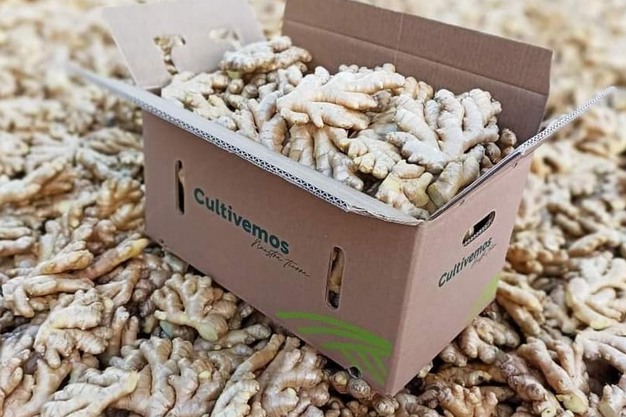
"Certification costs are increasing, which makes Peruvian organic ginger less attractive, from a financial standpoint," says Jim Ruiz. Also, the presence of Ralstonia bacteria in the crops, which could lead to the incineration of entire containers if detected in Europe, has added an extra layer of risk and costs.
"Grupo Cultivemos is working on the correct selection of seeds and planting fields to prevent Ralstonia contamination."
Despite these challenges, Grupo Cultivemos continues to explore new market opportunities. While Europe and the United States remain the main destinations, new markets are opening up in Eastern Europe and Saudi Arabia. "The volumes shipped there are still very small, but we are slowly starting to grow in new markets in order to diversify our supply," says Jim Ruiz.
"The U.S. market is also becoming saturated due to competition from Brazil and China, which further complicates the outlook for Peruvian ginger," he says. Although Peruvian ginger is appreciated for its higher pungency (spiciness) and health benefits, chefs and restaurants in key markets prefer Brazilian and Chinese ginger because of its larger size and ease of handling, as well as being cheaper.
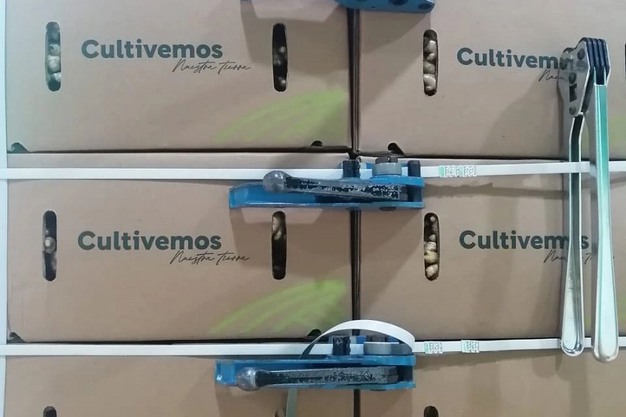
The 2024 ginger campaign has already started, with modest projections. Grupo Cultivemos estimates it will export 15-20 containers to Europe and about 50 containers to the U.S. during the season. However, Jim Ruiz warns that the weather conditions could cause the bacteria problem to worsen, which would further reduce the production. "We don't think there will be enough planted production to meet the demand in the long term," he says.
Mango
Peru faces a challenging mango export season in 2024/2025 due to a significant increase in the production, both domestically and from regional competitors, such as Brazil and Ecuador.
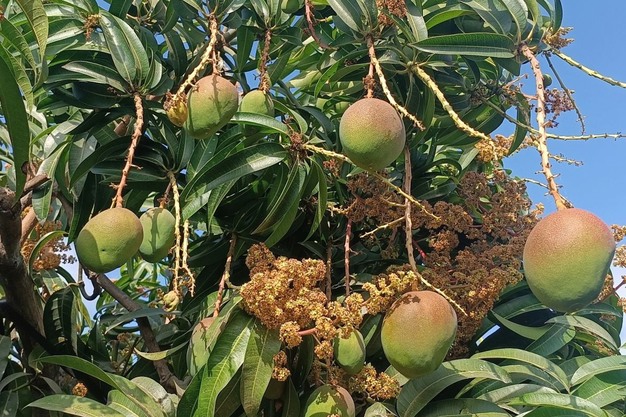
Faced with this situation, Grupo Cultivemos has adopted a proactive strategy. The planning started last year already, since a great production was expected, given the favourable weather conditions, so the firm toured Europe for pre-sales of its program. This year, it expects to harvest between 550 and 600 containers of fresh mango and it will diversify its markets to cut risks, with Europe accounting for 40% of its market share.
One of the group's key strategic moves has been starting earlier with the harvest of varieties such as the Ataulfo for the Canadian market, and the Kent and Keitt for the United States and Europe, thus avoiding the supply peaks expected between November and December. Also, the development of the port of Chancay, which will reduce transit times to Asia (by around 23 days), promises to open up new opportunities for Peruvian mangoes, allowing greater competitiveness in these markets.
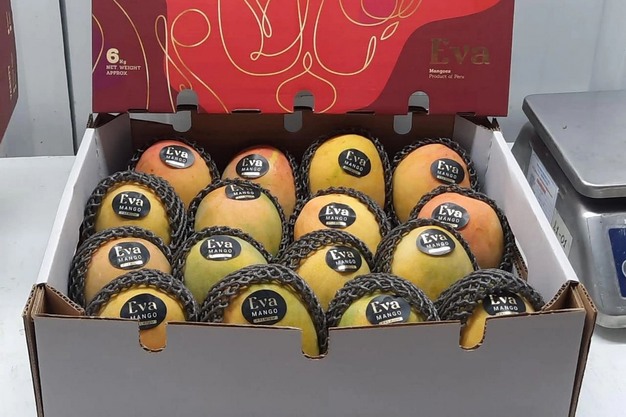
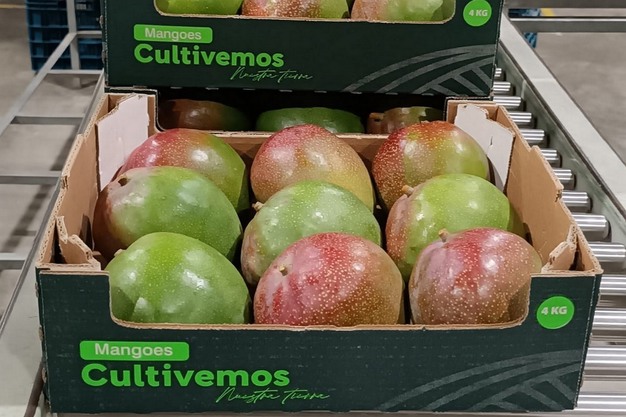
The harvest of the Kent mangoes intended for sea freight will start from the first week of October. Between the first week of October and the first half of November, Grupo Cultivemos will harvest and export approximately 200 containers. "We can also guarantee the supply of mangoes to our clients from the second half of February until the end of March thanks to our own production in Casma."
For more information:
Grupo Cultivemos
Jim Wilson Ruiz García
Tel.: +51 943 777 113
[email protected]
www.cultivemos.pe