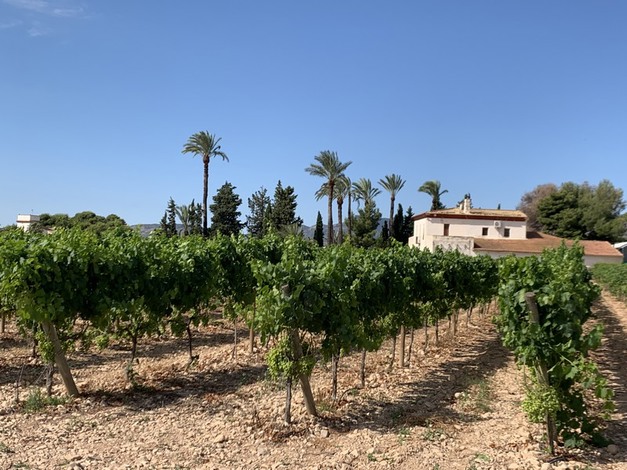
This year, the weather has been a determining factor for table grapes in Alicante, as it has been for many other Spanish agricultural campaigns. "The 2023 grape season kicked off in mid-July. We were then facing a campaign marked by great weather and socioeconomic adversities, which entailed enormous difficulties for the agricultural sector in general. Subsequently, higher temperatures than usual were recorded in the months of August and September. All this, together with the water deficit we have been suffering, has resulted in a considerable reduction in the volume of high quality grapes," explained Fruklas.
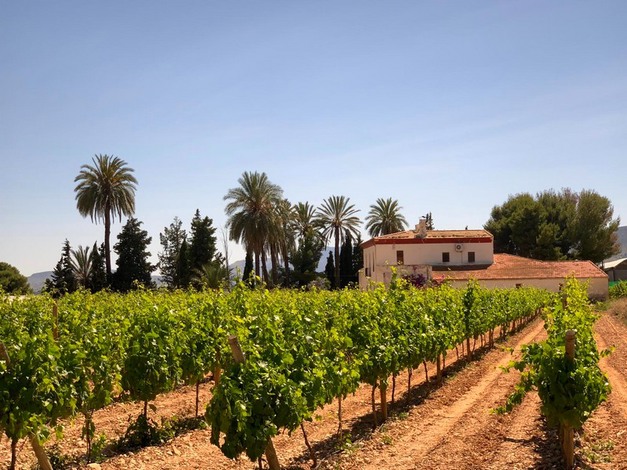
"Under normal conditions, we should have had good quality grapes until mid-November, but at this time, we can say that the grape campaign for varieties such as Italia, Red Globe and Doña María is practically finished."
"For the Aledo variety, we plan to start in the second half of November, and although this drop in the production concerns us, we will make a considerable effort and put all our knowledge to use to obtain good quality grapes of this traditional variety with the right texture, color and flavor," they said.
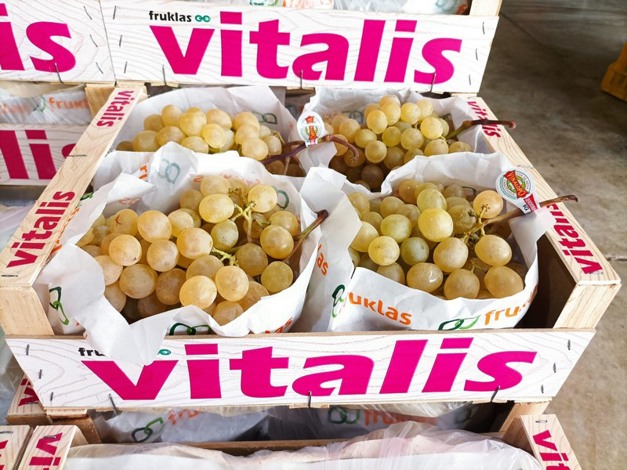
At the moment, and precisely because of those first signs of shortages of mid-season varieties, the markets are showing huge interest in buying grapes, and this is being reflected in the prices. "Prices in our economic system always depend on the balance between supply and demand," said Fruklas. "The problem in campaigns like these, in which significant shortages are reported, lies in the fact that the cost of cultivation per hectare remains practically the same, so despite the higher sales prices, these never make up for the lack of production."
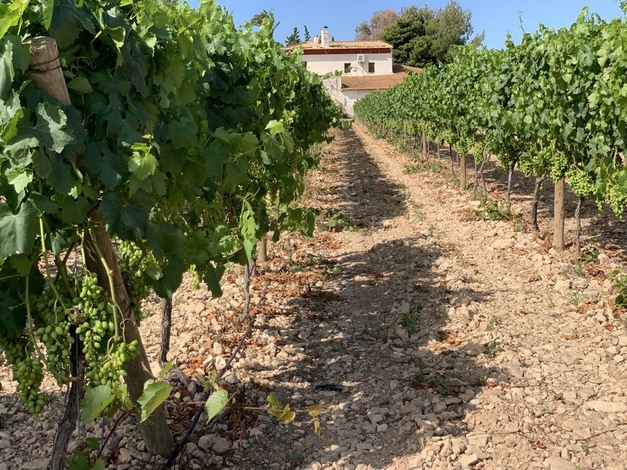
"It may seem counter-intuitive, but introducing variations in the color, taste or appearance of a product that we have consumed for centuries limits our ability to choose"
At an international level, the grape segment is seeing a clear trend towards new varieties that is shaping the supply on the global market, also for the world's largest exporters of grapes. Traditional varieties are increasingly under pressure, but this is also making it possible to extend the off-season marketing windows.
"For many years, the end of the marketing period for our grapes has coincided with the start of the southern hemisphere grape season. In a world as globalized as the one we live in, we must be consistent with our choices, and if we make the decision to wear clothes made in other continents, why shouldn't we also consume products from other origins?"
"We know that more than 100 new grape varieties have been introduced in the last decade. Such a fact should make us think about how the consumption of grapes and other fruits and vegetables is linked to the economic interests of the large multinationals that control and decide what is the best, the worst, the good and the bad when it comes to feeding us."
I believe that introducing variations in the color, taste or appearance of a product that we have consumed for centuries isn't something modern or current. In fact, while it may seem counter-intuitive, this actually limits our ability to choose or satisfy our tastes."
"In defense of our seeded-bagged grapes."
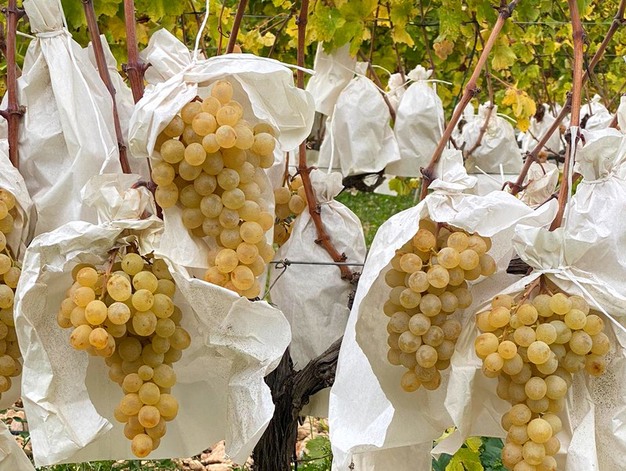
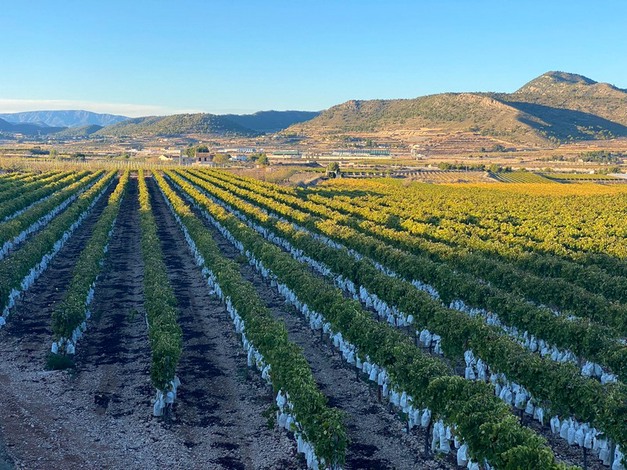
The traditional is not at odds with the quality that the market demands. In fact, in the area of Medio Vinalopó, the region where Fruklas produces much of its fruit and vegetables, table grapes are grown with a technique that began to be used more than a century ago: bagging, and which has led to the fruit earning its own PGI, which corroborates the outstanding quality of the product thus grown in the region.
"A designation of origin or protected geographical identification should always be synonymous with quality assurance, as well as with tradition and with a society committed to their immediate environment and the people in it," said Fruklas.
"As producers of bagged grapes, we know that the product we market under the umbrella of the designation of origin meets all necessary conditions and has all the expected characteristics in terms of color, flavor and texture."
"Lastly, and just to promote our seeded-bagged grapes, I would like to stress that its consumption will neither make us happier, nor allow us to have a better lifestyle, or become better-looking, but it can help us feel more committed to the local agriculture that is close to us and which feeds us on a daily basis."
 For more information:
Fruklas S.L.
Mercalicante, Pto. 134/136/138
Ctra. Madrid, Km. 4 03114 Alicante, Spain
Tel.: +34 966 30 0790
[email protected]
www.fruklas.com