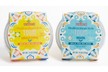
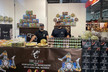
"The 2023 campaign, now in its final phase, has seen about 10% more hectares of cultivated land than last year. This will allow us to process about 200,000 tons of tomatoes, 100% produced in Apulia, despite the adverse weather conditions that continue to affect the region. These are the words of Gianmarco Laviola (pictured), Managing Director of Princes Industrie Alimentari.
"Our company is focused on the retail market; on the consumption front, as a result of the general increase in prices, we have witnessed a change in consumer preferences, who have started to prefer private label products as opposed to branded products."
"Inflation has led to less stockpiling, i.e. the consumer prefers to make several trips to the supermarket to buy the bare essentials and is less likely to be persuaded by promotions involving larger purchases. At the same time, there has been an increase in the demand for product traceability on the part of retailers. This is due to a number of scandals involving the origin of raw materials, some of which were not always 100% Italian. These factors have created an environment that today rewards companies that stand out in the market for investments and planning dedicated to the control of their supply chain."
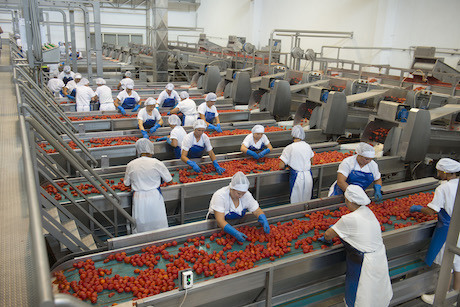
It is well known that the price of tomato derivatives has risen sharply in the last three years. Prices have doubled, raising the question of what is the right value for a can of tomato paste.
"The correct (or fair) price," explains Gianmarco Laviola, "is the one that allows all those involved in the supply chain (farmers, processors and distributors) to cover the costs incurred and to receive fair compensation. This price, by the way, is the necessary condition for any policy of sustainability, be it ethical or environmental. With a fair price, there is no economic justification for the use of illegal, exploitative practices with regard to the environment or human resources.”
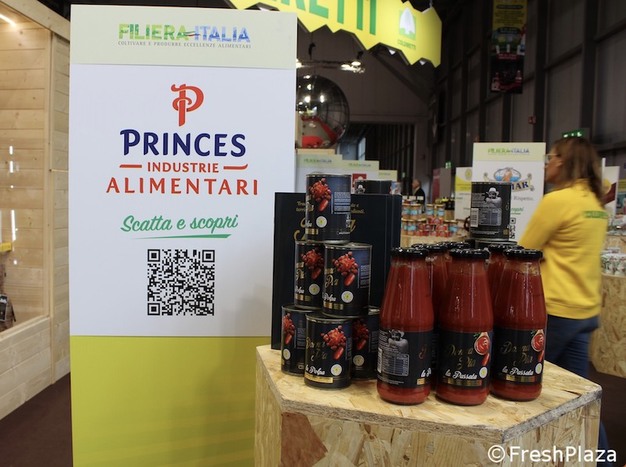
"From that standpoint, it is very risky for many European retailers, including those in Italy, to go for lowest price. A 'fair' shelf price for a 400-gram can of pulp should be around 0.70 cents. However, it needs to be accompanied by a conscientious and transparent cooperation between all those involved in the supply chain to ensure that everyone's work is fairly rewarded.”
Today's challenges for processors revolve around the ability to create value and respond to the needs of consumers who are increasingly aware of the impact of production and processing operations on the environment and communities.
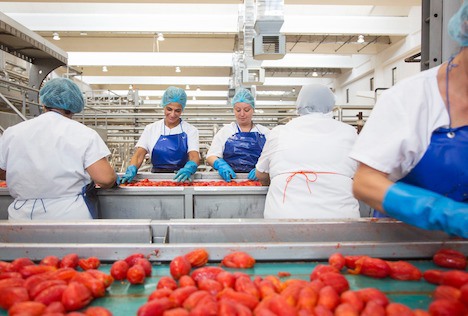
"We have been working in this direction," concludes Gianmarco Laviola, "with investments aimed, for example, at making our packaging more sustainable by introducing cardboard made from environmentally friendly sources and without the use of plastic, glue or other chemical materials. We have carried out ad hoc research projects on the needs of our customers in each of the markets in which we operate. At the same time, we are committed to improving social sustainability and ensuring ethical working conditions. We recently signed an agreement with Ghetto Out-Casa Sankara, a voluntary organization dedicated to creating an alternative reality to the ghetto, where they can live and design a legal and dignified path of economic and social inclusion. This agreement has provided for the social and labor integration of 32 foreign citizens in a vulnerable condition, guests of Casa Sankara, in different production areas of our plant.”
This initiative represents a further step in the commitment to fight against exploitation by addressing the structural complexities of the supply chain and is part of Work Without Borders, the project launched by Princes to promote ethical working conditions in the tomato supply chain, which has led to the hiring of migrants, after appropriate training, at the Foggia plant to manage various activities of the company and fill roles according to their aptitudes and skills.
For more information:
Princes Industrie Alimentari Srl
Località Incoronata - Zona ASI
71122 Foggia (FG) - Italy
+39 0881 352 400
www.princesgroup.com