The warmer weather means apple trees in Österlen, Southern Sweden, started blooming two weeks earlier than usual. That is a record.
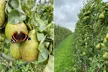
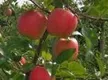
Milder springs and warmer autumns make the Österlen climate ideal for growing apples. The apples take longer to ripen and taste better. However, this year, spring arrived early. The apple trees have, therefore, been flowering since the end of April already. This usually only begins in mid-May. That is, according to Kiviks Musteri. This Swedish company produces beverages like cider and fruit juice from its harvested apples.
How does the climate affect apple cultivation?
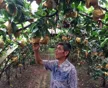
Jan Flemming Jensen is responsible for the cultivation at Kiviks Muster. He says, "As long as there are bees too, it does not matter. But a higher average temperature can cause an imbalance in plant and animal life. That negatively impacts the ecosystem."
Pollination aides in the growth of more than a third of all crops on earth. It is, therefore, also vital at Kiviks Musteri. There are about 60 hives among the trees at this company's orchards. More than 2 million bees ensure the best possible apple harvest this year.
New apple varieties
According to Jensen, Swedish apples are suited to the northern climate. They are more resistant to the cold. These apples are not exposed to very strong sunlight. They, therefore, do not need a very thick peel. Apple varieties that are suited to future cultivation need to be developed. To do so, Kiviks Musteri has partnered with researchers from the Swedish Agricultural Institute.
Jensen: "Perhaps we should get used to this type of weather being the new normal. It is, therefore, important to always share knowledge. We can then have a modern, sustainable apple crop in the future. Do not think only of new apple varieties. But also of adapted, developed cultivation methods and using animals in farming. In this way, we can all contribute to also being able to grow Swedish apples in the future," concludes Jensen.
Source: ja.se