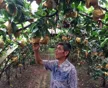
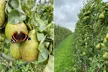
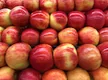
Mr. Ion Tulei, Director of SC Farm-Prod SRL (Olăneşti, Stefan Voda district), announced that an agreement has been reached with two Israeli trading companies for the export to Israel of autumn variety apples from the 2018 harvest. The actual volumes, conditions and periodicity of the shipments will be determined after the completion of negotiations on the purchase price of the goods. If everything goes well, the company is hoping for hundreds of tons to be exported.
SC Farm-Prod has plantations with a total area of 130 hectares, including 60 hectares of apple trees. It also has a refrigerated warehouse with a controlled gas environment suited for 1.5 thousand tons, as well as automated sorting and packaging lines. Moreover, the company was certified by Global GAP early this year.
The export of Moldovan apples to the Israeli market will be possible thanks to the successful conclusion of negotiations between the National Agency for Food Safety of the Republic of Moldova (ANSA) and the phytosanitary agency of Israel earlier this year. In April 2018, the ANSA agency officially received a list of conditions from its Israeli counterparts in order to allow Moldovan producers to export apples to this market, which ANSA specialists considered to be rather strict. For instance, traders exporting from Moldova to Israel will need to provide comprehensive information from the fruit-growing companies, including the technologies and lists of pesticides used, or the date of the latest sanitation process.
Source: east-fruit.com