Kenya issued over US$38 million in export certificates during its avocado export ban this year, contributing to non-compliance and a nationwide shortage following early exports that risk affecting the country's position in global markets.
Industry sources indicate that Kenya's avocado sector changed two years ago following the introduction of a closed season to prevent exports of unripe fruit. This coincided with export authorisations for a limited number of companies during the ban periods. These companies sourced fruit across the country during the last two bans, raising concerns about quality in export markets.
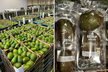
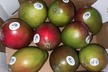
A week-long investigation by FarmBizAfrica tracked consignments exported during the ban to the Netherlands and into European retail chains, where quality controllers shared dated images of fruit and packaging.
Waithaka Wagura, chief executive of the Avocado Exporters Association of Kenya (AEAK), confirmed: "Yes, it happened, and there is an artificial shortage of avocado as the season opened."
 © AFA
© AFA
The export season reopened almost a month later than usual, on April 2, limiting access for many exporters as orchards had already been harvested ahead of ripening. AEAK confirmed that complaints had been submitted to regulators.
The Horticultural Crop Directorate (HCD), responsible for licensing, did not comment on the export certificates issued during the ban but stated that action would be taken. Kenya Plant Health Inspectorate Service (Kephis) and AEAK indicated that exemptions were intended only for second flush crops from Western Kenya and the North Rift, which typically account for around 3 per cent of national output.
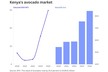
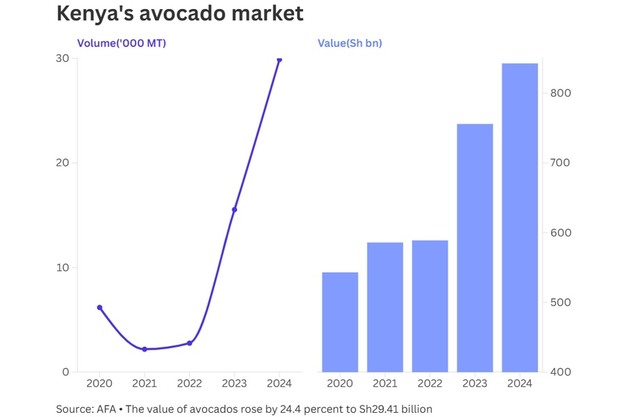
However, during 12 weeks of the closed season in 2026, HCD approved US$38.8 million in avocado exports totalling 33,205 tons, according to KenTrade. This volume represents up to one-third of Kenya's annual avocado production. The ban requires farm inspections for permitted exports to confirm fruit maturity.
FarmBizAfrica identified more than seven locations where avocados were sourced and exported during the ban without farm inspections. Despite this, HCD stated that the ban had been extended due to late rains affecting crop availability.
One industry chief executive said: "These companies never stopped exporting, and they have left the country with scanty supplies of fit avocados."
The shortage is affecting close to 300 exporters and the oil processing sector. "... there are not enough fruits to meet the demand, and we are hoping that in July, during the second session of the avocado season, more fruits will have matured," said Mr Wagura.
Industry sources also link previous off-season exports to rerouting through Morocco, where exports rose to 141,000 tons last year, exceeding domestic production levels.
Kenya remains Africa's largest avocado exporter, supplying Europe and expanding into markets such as India and China.
Source: Business Daily