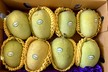
"Brazilian fruit is exported to Europe when Europe is not producing or cannot produce certain species due to technical and climatic constraints," stated Jorge de Sousa, project manager at Abrafrutas. He emphasized that while this trading pattern is not new, it is intensifying. "This benefits both regions, generating well-being for both the European and Brazilian populations," he stressed.
Diversifying destinations is a key element of Brazil's export strategy. Europe remains a vital market, particularly given the potential for trade agreements that could improve access conditions. "The agreement makes tariffs fairer. Either everybody pays, or nobody pays," he emphasized, highlighting the importance of fair competition.
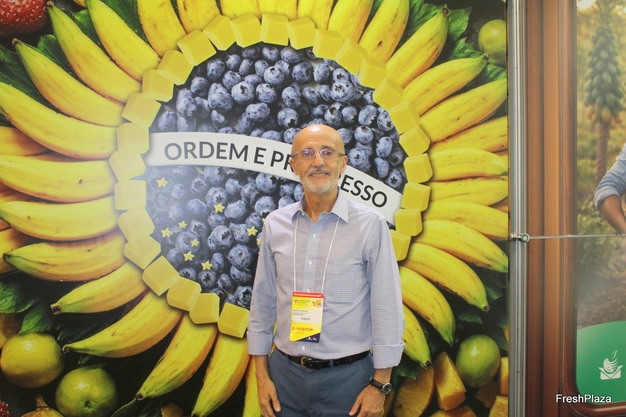 © Diana Sajami | FreshPlaza.com
Outside Europe, the U.S. market remains vital to Brazilian exports. "American importers like Brazilian fruit; they want it," De Sousa stated. Despite some political and tariff-related tensions, products such as mango, papaya, and açaí still reach the U.S., indicating strong demand. "It is more a political and governmental matter than a market one," he added.
Brazil is also exploring opportunities in more distant markets, such as Asia, where demand for tropical fruit is growing. However, growth is limited by a major obstacle: logistics. "We have strong demand from Asian countries for tropical fruit, but the lack of maritime logistics forces us to use air transport, which makes the product more expensive," he stated.
This logistical challenge is not unique to Brazil but reflects a worldwide issue. "Costs are high, and line availability is not ideal," he said. Addressing these issues will be crucial for the country to broaden its reach into more remote markets.
Another factor influencing export growth is the availability of rural labor. "The new generations do not want to work in agriculture, regardless of the wages," De Sousa stressed. Unlike more mechanized agricultural sectors, fresh fruit production still depends heavily on manual labor, which restricts its potential for expansion.
Moreover, Brazil is engaged in two-way trade with the region. Despite being a major producer, it imports some products to supplement its domestic supply. "A significant portion of the table oranges we consume in Brazil comes from Uruguay," he noted, indicating that quality and specialization also shape trade.
Looking ahead, the sector plans to boost its international presence by entering new markets and strengthening key alliances. "There are opportunities for everyone, and we aim to increase this exchange," concluded De Sousa, emphasizing Brazil's significance as a major player in the global fruit trade.
 For more information:
Jorge de Sousa
Abrafrutas
Brazil
Tel: +55 38 9 9962 8450
Email: [email protected]
www.frutasdobrasil.org