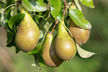
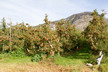
In South Jeolla Province, a hailstorm caused damage to more than 800 hectares of crops, with the impact concentrated in Naju, the country's main pear production area. This has raised concerns about the 2026 harvest.
According to South Jeolla Province, on April 7, total crop damage has been provisionally estimated at 802 hectares. Naju accounted for 742 hectares, followed by Muan County with 50 hectares and Hampyeong County with 10 hectares.
Damage levels were higher in Naju as the hail coincided with the flowering stage of pear trees. The event resulted in a flower drop across orchards. Naju City estimates that around 20 per cent of the total pear cultivation area in the region has been affected.
Pollination is a key stage for determining yield and fruit quality. The loss of blossoms may lead to reduced output over the season.
The weather event occurred on April 6 and affected six areas, including Naju, Damyang, Gokseong, Hwasun, Hampyeong, and Muan. The hail lasted between 5 and 10 minutes, with stones reaching up to 26.5 mm.
On the day of the event, Acting Mayor Kang Sanggu visited affected farms in Geumdong-ri, Noan-myeon. He stated, "We will make every effort for swift recovery and provide administrative and financial support to minimize the damage suffered by farmers."
South Jeolla Province is compiling damage reports and conducting field inspections across the affected areas. Authorities plan to provide technical support for crop recovery, including pesticide application, and to complete a detailed assessment within ten days.
An official from South Jeolla Province stated, "We will focus on delivering rapid support to the areas most severely affected by hail and concentrate on minimizing the damage to local farms."
Source: Asia Business Daily