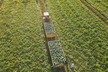
Strawberry cultivation in Brazil is undergoing a period of transformation, marked by greater professionalization, genetic improvement, and the adoption of new technologies, amid ongoing growth and significant structural challenges.
 © Agrovivaz
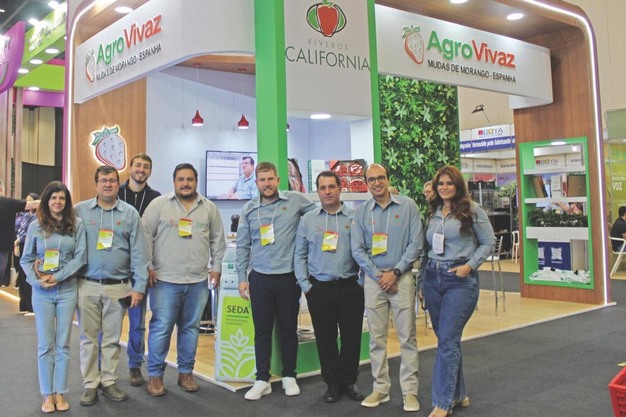
"With over 10,000 hectares and an output of about 275,000 tons, strawberries are strengthening their role as a major fruit crop in Brazil. Production is mainly focused in states like Minas Gerais, São Paulo, and the southern part of the country, although their geographical spread has been growing in recent years," stated Altair Zotti, commercial director of Agrovivaz.
 © Agrovivaz
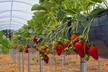
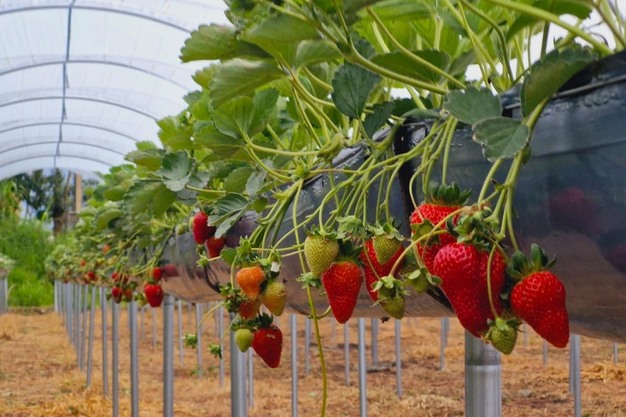
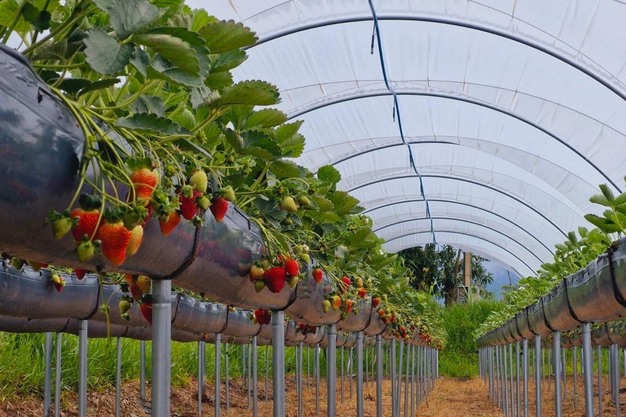
One of the main changes in the industry is the ongoing shift from traditional soil cultivation to more advanced systems, such as substrate cultivation and semi-hydroponic methods. "This transition allows for improved productivity, which can exceed 60 tons per hectare in protected cultivation, as well as better quality and standardization of the product," Zotti stated.
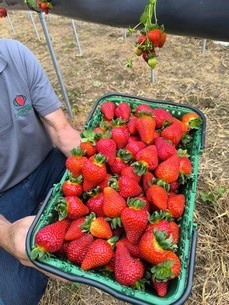 © AgrovivazAt a varietal level, the market is also changing. The end of protection for certain international varieties opens the door to more genetic diversity and the development of materials suited to local conditions, strengthening the national plant production system.
However, the sector's growth faces major barriers. Logistics, particularly the cold chain, remains one of the main bottlenecks. "The biggest challenge today is to improve the strawberry cold chain," Zotti said. Rising costs and labor shortages are additional challenges, impacting not only Brazil but the entire sector globally.
"Brazilian strawberries are primarily consumed domestically, with approximately 90% of production aimed at the fresh market. Exports remain limited due to the fruit's high perishability and logistical challenges of long-distance transport," he added.
 © Agrovivaz
Meanwhile, the sector is increasingly interested in other berries, particularly blueberries. While Brazil remains primarily an importer, the medium-term outlook is optimistic. "Blueberries show great potential. In 5 to 10 years, Brazil could establish itself as a strong producer," Zotti stated.
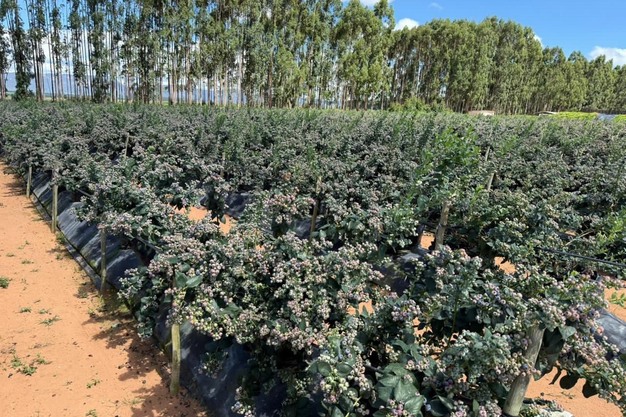 © Agrovivaz
This development will be linked to investments in genetics, technology, and agronomic adaptation, as well as upgrades to infrastructure and logistics processes. In this context, companies like Agrovivaz focus on varietal innovation and knowledge transfer as key pillars for reducing risks and enhancing the sector's competitiveness.
For more information:
Altair Zotti
Agrovivaz
Brazil
Tel: +55 19 99275 4604
Email: [email protected]
www.agrovivaz.com.br