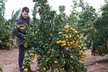
A study by Embrapa Territorial in partnership with Fundecitrus has quantified carbon stocks in Brazil's Citrus Belt, covering São Paulo and parts of Minas Gerais. The work, carried out between 2022 and 2024 and funded by Innocent Drinks, assessed carbon held in production areas, preserved vegetation, and soil.
The analysis covered 496,000 hectares, including 337,000 hectares of citrus groves and 159,000 hectares of preservation areas. Findings indicate total carbon storage of around 36 million tons, with updated estimates reaching 37.9 million tons stored in plants and soil. This corresponds to approximately 139 million tons of carbon dioxide.
"It is as if citriculture removed that amount of gas emitted by all those cars and stored it in the orange trees, soil, and native vegetation of citrus farms, contributing to climate change mitigation," said Embrapa Territorial researcher Lauro Rodrigues Nogueira Júnior.
Carbon dioxide emissions are linked to fossil fuel use, biomass burning, and deforestation. The study indicates that carbon in the Citrus Belt is retained in tree biomass, soil, and preserved vegetation within production systems.
"In the Citrus Belt, carbon is stored in orange trees and other preserved trees in the region," Nogueira said. "It is impressive how groves and green areas, year after year, manage to absorb (carbon dioxide) from the atmosphere, significantly contributing to mitigating the effects of global warming."
The data also reflects the presence of preservation areas alongside commercial citrus production and the use of practices linked to carbon retention.
"The Brazilian citriculture has been making progress in adopting sustainable practices, which enhances its reputation in the international market and adds value to orange juice," Nogueira added. "At the same time, preserving forest remnants is essential, since they function as important carbon reservoirs."
Fundecitrus noted that the findings provide a quantified view of carbon stored within citrus production areas and surrounding vegetation.
"The Brazilian citrus industry is modern, sustainable, and plays an indispensable role in environmental preservation," said Guilherme Rodriguez. "Producers have always known that their activities contribute positively to the conservation of natural resources, and this data turns practical knowledge into technical, measurable, and reliable information."
Source: Fundecitrus / Citrus Industry