The European Kikokà Consortium is experiencing a period of structural growth. The year began with a clear focus on planning, long-term vision, and teamwork. "Since its founding two years ago, the team has grown from one employee to five, and new hires are expected in the coming months. Valentina Goffi has led as Quality Manager since January. Together with Technical Director Mirco Stefanati, Goffi is working on drafting quality manuals and improving production processes," says CEO Fabio Zanesco.
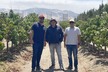
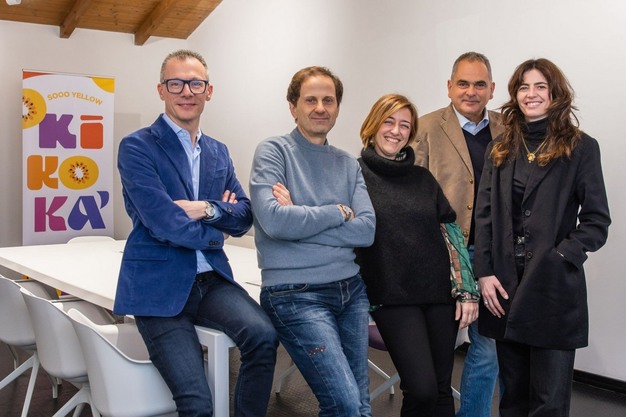 © Guido de VincentisThe Kikokà team: Fabio Zanesco (CEO), Simone Spano (Administrative and Accounting Manager), Daniela Calanchi (Administrative Officer), Mirco Stefanati (Technical Director), and Valentina Goffi (Quality Manager). Photo credits: Guido de Vincentis
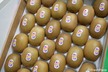
The current Kikokà kiwi campaign has reached the halfway point and is entering its most intense phase. We expect to sell out by the end of April, after which we will focus on final sales in May and June. We are currently satisfied with the results, as they are in line with our expectations. The market is responding well to the product, and the promotional activities were well received," says Zanesco. "For the next season, which starts in October, we expect production to double in line with the Consortium's agricultural and technical development plans."
The current geopolitical scenario affects the global kiwi market by creating complex logistical challenges that have a ripple effect on local markets. Currently, the direct impact of these tensions is minimal for Kikokà kiwis because the consortium is relatively small and primarily focused on the European market. Furthermore, this year's exports to non-European countries have been directed to areas unaffected by the current crises, such as North America.
 © Cristiano Riciputi | FreshPlaza.com
However, Zanesco offers a broader perspective: "Due to geopolitical crises, export channels to certain regions, such as SWANA, may become inaccessible. Consequently, companies are unable to sell their goods in strategic markets. These products then remain in Europe, risking market saturation and reducing trade space for all players. Ongoing global crises also make scheduling and transport extremely complicated, which is a particularly serious problem for the fresh produce industry," he says.
"Unlike non-perishable or high-tech goods, a container of fruit delayed for weeks risks spoiling and falling outside the strict quality specifications accepted by markets. Logistical disruptions also add exorbitant costs to the transportation process. Since a load of fruit is not worth as much as a container of smartphones, for example, these extra costs drastically lower the final payment received by farmers."
For more information:
www.kikoka.com