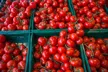
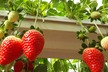
Rangitīkei and Manawatū iwi Ngā Wairiki and Ngāti Apa have developed a strawberry operation on former unproductive iwi whenua, reporting steady increases in yield and planted area. In its fourth year of operation, Harakeke Berries harvested 130 tons of strawberries last season, with yields rising from 240g per plant in the first year to 840g per plant last season.
Te Rūnanga o Ngā Wairiki-Ngāti Apa tāhūhū rangapū Group CEO Grant Huwyler said the site near Kaitoke reflects a long-term approach to commercial development. "It is a good example of learning and adaptation, building internal capability, creating employment and regional supply chains, and moving toward sustainable cashflow at commercial scale," Huwyler said. "But one of the things I love most is that this was unproductive land."
The strawberry farm was established with funding from the Government's Provincial Growth Fund. The current footprint includes approximately four hectares of tunnel houses under a hail canopy, with potential expansion to six hectares. Huwyler described six hectares as the preferred scale for operational efficiency.
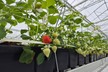
Production is based on fertigation systems and controlled growing environments. The crop is grown in 40 tunnel houses on sandy terrain, each containing 800 growing bags. Traditionally, the Monterrey variety has dominated production, with trials now underway on 1160 and Victory varieties.
Planting activity takes place annually in May and June. This season, 200,000 plants were established by hand, compared with 160,000 in the previous year. Next season, plantings are planned to increase to 360,000 plants. The harvesting season runs from October through to May or June, while preparation for the following cycle continues throughout the year.
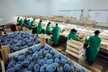
Four permanent staff members manage the site year-round, with seasonal employment increasing total staff numbers to up to 24 during peak picking and packing periods.
Organic waste from used strawberry growing bags is processed in collaboration with Māori-owned Rivercity Tree Services. The growing media, composed of 7 per cent coconut husk and 30 per cent chip, is repurposed after fruiting, supporting the iwi's land management objectives.
Harakeke Berries supplies Turners & Growers nationally and provides product to New World Marton and Pak'n'Save. Surplus fruit and secondary grade product are also sold locally.
While production is moving toward profitability, a decision remains on whether to expand to the full six-hectare scale. "The philosophy has been to start small and learn. Production figures are an indication of the learning," Huwyler said.
Source: 1 News