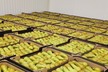
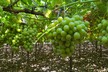
Fruit markets in Sulaimani in the Kurdistan Region are recording sharp price increases for off-season imported fruits. Green plums or greengages, locally known as "Helloje" and also referred to as Janerik, are selling at US$500 per kilogram. Small boxes containing six fruits are priced at 50,000 Iraqi dinars. Vendors reported that one customer purchased four kilograms for US$2,000 for gifting purposes.
The current volumes are imported ahead of the domestic season, supporting elevated price levels. Demand remains firm despite the cost, particularly among high-end consumers seeking early-season fruit.
Price pressure extends beyond greengages. Cherries imported from Thailand are reported at 50,000 Iraqi dinars per kilogram. Red and yellow plums sourced from Egypt and other African origins are also trading above in-season local levels. Vendors attribute pricing to limited availability and import logistics.
Gundelia, known locally as Kenger, is selling at 8,000 Iraqi dinars per kilogram when uncleaned. Cleaned and packaged product is priced at 20,000 dinars per kilogram, with vendors citing preparation and handling costs as well as demand for convenience formats.
While imported fruit attracts attention, locally produced vegetables from the Sharazor region are present in the market at lower price points. Purple cauliflower, eggplant, and local varieties of French lettuce are available and positioned as competitive alternatives to imported produce during this period. Vendors report interest in local products based on quality, shape, and presentation.
Market participants describe the current pricing structure as seasonal and linked to consumer preference for early access to fruit normally available later in the year. Air freight is used to secure volumes before the domestic harvest begins, adding to landed costs.
Vendors expect prices to decline as local production enters the market in the coming weeks. Supply normalization is anticipated to reduce price levels, particularly for products currently classified as "Nobere," or first-of-the-season imports.
The Sulaimani market reflects the interaction between seasonal demand, import costs, and domestic production cycles. Imported fruits continue to serve the gifting segment and early-season demand, while local production is positioned to expand its share as harvest volumes increase. Continuous monitoring of pricing and demand patterns remains relevant for market participants navigating seasonal transitions.
Source: Kurdistan 24