That conditions in the potato market are extremely challenging comes as no surprise by now. The difficulties are likely to persist for the time being, observes Bart Nemegheer of De Aardappelhoeve. "It is simply something we will have to get through. After two good years, we knew things would turn sooner or later, but that it would fall so fast and so sharply, no one could have predicted. Not even the industry," says the grower and company trader at the Tielt-based potato company.

"In terms of volume, things are still going reasonably well, mainly thanks to promotions that encourage consumers to buy a bit more potatoes. The products are relatively cheap, so sufficient volumes are still moving, despite the low prices. But those prices are exceptionally low," he explains. According to Bart, the industry now faces the challenge of resetting the situation. "We need to reassess what is reasonable, which costs are involved, and how to present that story properly again. Hopefully, there will be some relief next year, although a real price increase is difficult to expect. Inventories across Europe are so large that it will be hard for the market to recover significantly."
According to the experienced trader, a potential bright spot may lie in delays in planting new potatoes in Spain due to severe weather. "That could mean that early potatoes become available there later, allowing us to extend our sales period slightly. There is enough old stock to last until the end of June, provided quality holds up. That would allow us to transition later to the Spanish or German new crop. It may offer a somewhat longer marketing window, although it remains uncertain how the market will ultimately develop."
Processing as an outcome
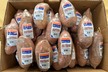
Could processing provide a more profitable alternative to the fresh market? In recent years, the company has focused strongly on its convenience brand, The Potato Chef. "It is certainly an area in which we see a future. We hope sales recover quickly so that we can remain competitive and continue the growth of recent years. The convenience segment plays an important role in this. Processed products help retain consumers who might otherwise move away from fresh potatoes. Moreover, it offers sustainability benefits. A large share of our own crop can be processed directly for human consumption, meaning less is lost. In that way, everything that comes out of the ground can be used sustainably, which is an important part of our story."

"It is not easy to absorb surplus potatoes, so processing clearly offers a solution," he continues. "The Potato Chef story is progressing well. In Belgium, we have strengthened our position and now supply most retailers. At the same time, we continue to explore opportunities in various export markets where potential exists."
The focus is on innovation and convenience. "For example, we recently launched new potato gratins under the brand. New products perform well because they are easy to use. We continue to innovate, develop new products, and extend shelf life to keep customers satisfied. They are also affordable. When you compare fourth-range prices with per-kilo prices, it is very inexpensive for a finished product. However, there is competition and price pressure within the segment. As a result, prices are often too low compared with the fresh market, and it remains to be seen how this will develop."
Organic potatoes on the rise, but price remains crucial
Bart also notes a striking trend in the organic segment. "Organic potatoes are showing notable growth this season, partly because prices are somewhat lower and closer to conventional products. There was a good organic harvest, resulting in high yields, whereas in recent years we often faced limited harvests and high prices. When prices are too high, consumers tend to opt out, but this season we are seeing a solid increase in sales."
Nevertheless, price remains decisive. "Consumers are still very price-conscious. We see it in conventional potatoes as well, with promotions on 10-kilo bags at very low prices. Volumes are moving quickly, which shows that people are willing to consume more potatoes, but it remains a price issue." The same applies to organic, he explains. "If prices stay close to conventional levels, I certainly see a promising future. But that is the challenge. There will always be consumers who consciously choose organic, yet the majority see the advantages but withdraw as soon as the price difference becomes too large."
"Government targets, such as aiming for 5% organic area by 2027 in Belgium, have limited impact if consumers see higher prices in the supermarket. Mandatory measures do not work. It is positive that the government wants to support the sector, but the organic area remains at 1.7 per cent for now. You cannot force it, only encourage it. The same applies to vegetables. Prices there are also under pressure, and when there are heavy promotions, particularly in Dutch supermarkets, organic products cannot compete with conventional prices. If you can buy 5 kilos of conventional sprouts for the price of 1 kilo of organic, what would you choose?"
"You can set many ambitions, but ultimately, supply and demand must be balanced to create a healthy market situation. Consumers decide when they are in the supermarket. Ambitions may be high, but if organic is considerably more expensive, it often does not end up in the basket. In the end, market forces must be respected, and all parties in the chain need to be encouraged to create a sustainable and balanced situation."
Opportunities
Despite the current challenges, Bart still sees opportunities in the market. "By making smart use of old and new harvests, focusing on processed and organic products, and planning carefully, we can improve sales and operate more sustainably. It requires patience and flexibility, but those who act proactively will certainly find opportunities in the market."
For more information:
Bart Nemegheer
De Aardappelhoeve  Putterijstraat 7A
8700 Tielt (Belgium)
Tel: +32 (0) 477 29 17 84
[email protected]
www.deaardappelhoeve.be