Dutoit expects its 2026 onion harvest to deliver solid quality and export performance following a cold winter, moderate rainfall, and favourable growing conditions across its production regions.
The Western Cape-based producer cultivates sweet onions, shallots, brown, and red onions across six farms located up to 150 kilometres apart, a strategy designed to mitigate climate and production risk.
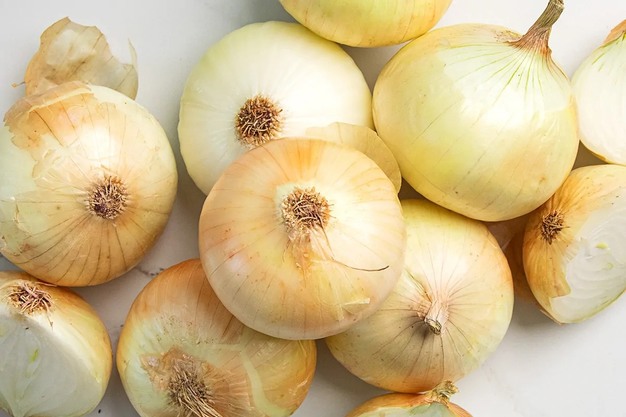
According to Pieter du Toit, Commercial Director: Vegetables at Dutoit, this season marks the first commercial harvest of sweet onions, with harvesting taking place in mid-November after several years of trials.
 © Dutoit
"After testing sweet onions over a number of seasons, we planted them commercially for the first time this year and harvested our first crop in November," says du Toit. "We're encouraged by the results and see potential in this category."
Dutoit's sweet onions are currently produced primarily for the Spanish market, where demand for mild, low-acidity onions continues. The company also sees potential for local market expansion as consumer familiarity with the variety increases.
"Sweet onions offer a milder flavour profile and are suited to fresh consumption," du Toit explains. "We see opportunities for growth locally as awareness increases."
The 2026 season has attracted interest from European buyers, with packers and retailers visiting Dutoit's operations. Demand has been noted particularly for late-season supply, when local European crops begin to decline in quality.
"We've seen demand from Europe, particularly for late-season supply when local crops in those markets begin to decline in quality," says du Toit. "As a result, we are planning to export around 30% of our brown, red, and sweet onions, as well as shallots, this season."
"Our optical grader allows us to assess both external appearance and internal quality," du Toit says. "This is particularly important for European retailers. It helps ensure that the end consumer receives a consistent product."
The 2026 crop is characterised by stable quality, supported by dry harvesting conditions and limited weather-related disruption.
"We had limited rain during harvest, which plays a major role in maintaining bulb integrity and storage performance," he adds.
Port logistics remain a constraint for exporters. "The port remains our single biggest constraint," du Toit notes. "We have a relatively short export window in January, February, and March in the Western Cape, and any delays during this period can impact shipping programmes."
On the domestic market, supply remains adequate, with demand from major retail chains.
"There are currently sufficient volumes in the domestic market, and we expect pricing to remain relatively stable until Northern Cape production declines towards the end of March," he explains. "Retailers continue to prioritise quality, and we are positioned to meet that demand."
Overall, Dutoit expects the 2026 onion season to deliver balanced results across local and export markets.
 © DutoitFor more information:
Runei Kotze
Dutoit
Tel: +27 74 968 5168
Email: [email protected]
www.dutoit.com