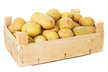
The government of The Gambia has announced a temporary restriction on the importation of potatoes and onions, stating that the measure is intended to protect local producers. According to the analysis presented, the decision does not address structural constraints in local production, particularly among smallholders.
The Gambia consumes about 30,000 tons of onions annually, of which approximately 80% is imported. Local production is largely carried out by smallholder farmers cultivating vegetables in village gardens, most of them women. Onions from these gardens reach the market around March and April. In parallel, private agribusiness firms, both Gambian and foreign, have become more active in the sector.
Based on attainable yields of 25 to 40 tons per hectare, an annual output of 30,000 tons would require less than 1000 hectares. The text questions why local production does not meet domestic demand and reduces reliance on imports.
Constraints cited include high costs of quality seeds, poor fencing, lack of water, and inadequate post-harvest storage. "Having visited more than 100 vegetable farms and listened firsthand to their concerns, I can attest to these problems." Limited access to improved seed varieties is also highlighted. Available onion seeds are suitable only for the dry season, while varieties that can be cultivated during the rainy season are not accessible to local growers.
The analysis states that the 2026 budget did not allocate funding to farmers growing these crops and argues that production and marketing challenges remain unresolved. It concludes that, without addressing these constraints, local production will cover only part of annual consumption.
Lower output levels contribute to continued vegetable imports, which in turn affect the trade balance and place pressure on the currency, with implications for the cost of living.
The text further states that temporary import restrictions may create recurring supply challenges if underlying production issues are not addressed. It also notes that recent policy action coincides with the presence of large-scale agribusiness firms operating in Foni, while small-scale women growers have been active in onion production for decades without similar measures.
According to the analysis, coordinated action between the Ministry of Agriculture and the Ministry of Industry would be required to address production and marketing constraints in the vegetable sector.
Source: The Voice