 © De Vlei BoerderyShipping delays are yet again the bane of the lives of South African table grape growers. "It is very frustrating when you do everything you possibly can to ensure you produce quality table grapes, and then have the fruit sitting in port, waiting to be exported," says Gabriël Viljoen of De Vlei Boerdery.
Like others in the industry, their exporter EXSA resorted to using other ports - at greater cost - to ensure fruit is shipped as quickly as possible - not only to protect their grapes' good shelf life, but also, crucially, to ensure they deliver against programmes and orders from clients.
For them, consistency is key. "Consistent quality, consistent volumes, consistent timing - from the start of the South African season to the end. The Cape Town port is causing unnecessary delays, and we feel the industry should continue to explore and support alternative shipping options to get the grapes to clients as quickly as possible at optimum freshness to retain programmes and clients."
The family farm, De Vlei, is located in the Hex River Valley, and next year, he says, the Viljoens will celebrate 130 years of custodianship. During the 1990s, his father Leon Viljoen decided to have a longer window of supply and spread their risk by branching out - they now have farms located along the national road up the West Coast of South Africa in four of the table grape production regions. The sagacity of this decision to diversify to other production regions was again proved this season.
 © De Vlei Boerdery
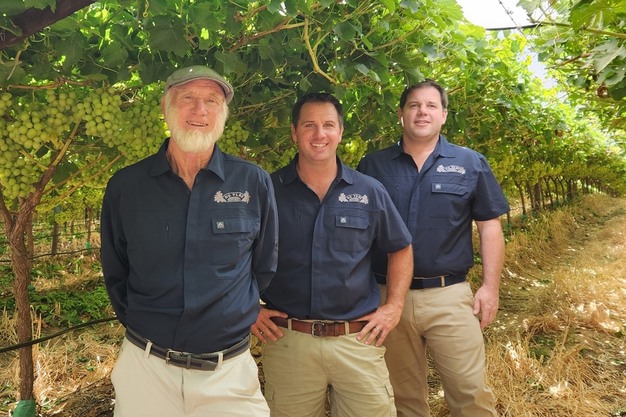
Leon Viljoen with sons Reyneke and Gabriël
Quick ripening keeps packhouses on their toes
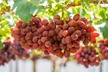
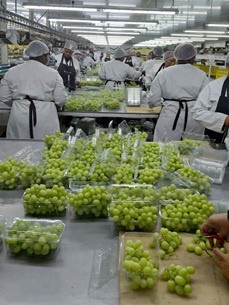
The Hex River Valley is the final and current stop in the production season where De Vlei Boerdery typically harvests until week 14, with great opportunities for late Crimson Seedless and Autumncrisp® for export as well as local retailers, Gabriël notes. "The Hex season started slightly earlier than usual, with various varieties ripening in quick succession. It is taking careful planning and management in the packhouses to ensure the grapes are harvested at optimal ripeness."
He remarks that stretching into autumn, it is not unusual for the Hex River Valley to get rain during their harvest window. "To place a higher degree of certainty on quality, various methods of rain protection are used by producers, and it again proved invaluable during the rain the region had this past week."
Their grape season started in Vioolsdrift, Northern Cape, in week 48 with "fantastic looking fruit and because of further investment in our packhouse and coldrooms last year," he says, "we were able to harvest all the table grapes at optimal ripeness. On top of that, production in Vioolsdrift as well as the whole Orange River region reached above the crop estimates."
In the middle of their production calendar, the crop moves south to the area near Trawal, close to Clanwilliam, which experienced extraordinarily hot weather for an extended period of time. "The daily maximum temperature of November was nearly 7 degrees Celsius hotter than the 30-year average. These temperatures during the sensitive berry development stage resulted in a lighter crop due to smaller berry size, and therefore our volumes are down by about 10% compared to the previous season," says Reynecke Viljoen, head of technical and production at De Vlei Boerdery.
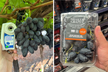
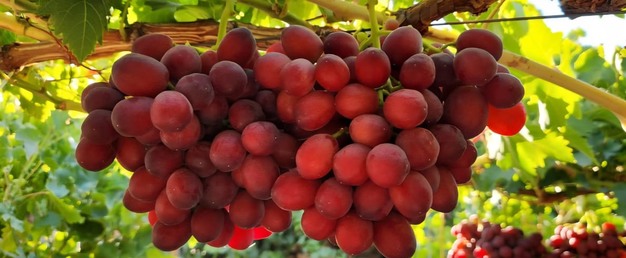 © De Vlei Boerdery"One of my favourites for the season, a new variety we've planted: Fire Crunch™," Gabriël Viljoen
With higher yields come heavy responsibility
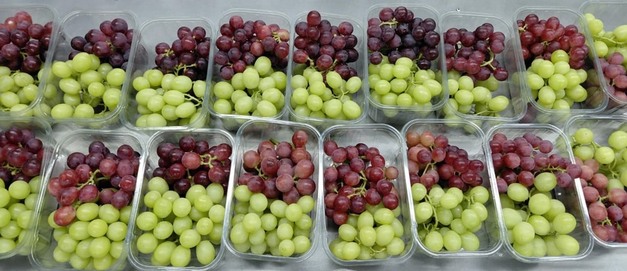
Retailers are narrowing down the number of grape suppliers and the varieties they accept. "Our aim is to continually test and evaluate the latest varieties from breeding programmes to ensure we can offer what the retailers and clients want," Reynecke explains. "Crunch, flavour, labour friendliness, and rain tolerance are important factors to consider. It is also vitally important to ensure you match the variety to the climate and soil type most suited for that variety."
For this reason, he continues, they have plots in the various regions where they first evaluate a couple of vines and experiment with various protocols before planting them commercially. "Not every season is the same – this one might be slightly more challenging than usual, but that forces us to re-evaluate what we do and seek to improve," he says.
 © De Vlei Boerdery
After almost sixty years of table grape production, Leon is convinced that growers should not only seek short-term profits but also consider the long-term effects of their actions. "Many countries besides South Africa have planted table grapes in recent years, and we need to ensure we produce table grapes that can compete or outperform and that the customer enjoys and returns to buy again."
Newer varieties have the potential for higher yields, but with that comes a responsibility to manage them properly. Overproduction can lead to reduced shelf life, and it can also result in fruit struggling to obtain the correct sugar content, Leon observes, adding that the customer's first purchase is important, but even more important is the follow-up purchase.
He believes they, as growers, have a mutual responsibility towards each other to ensure they produce quality table grapes to not only retain their clients and current market share, but also to grow the category.
 © De Vlei Boerdery
 For more information:
Gabriël Viljoen
De Vlei Boerdery
Email: [email protected]
https://devlei.co.za/