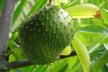
Mexico has developed a new soursop variety, the Perla-AM, through scientific and technological efforts supported by the Mexican government's commitment to assisting rural communities.
The National Seed Inspection and Certification Service (SNICS) granted final registration of this variety to the National Institute of Forestry, Agricultural, and Livestock Research (INIFAP), the technical and research division of the Ministry of Agriculture and Rural Development, for inclusion in the National Catalogue of Plant Varieties.
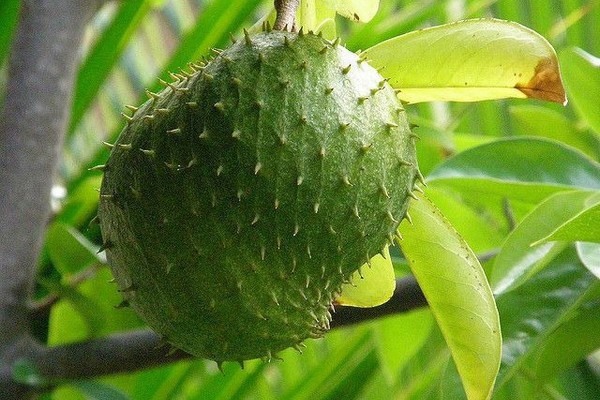 © Sader México
This new variety is notable for producing large fruits averaging 1.3 kilograms, with creamy-white flesh, excellent flavor, and aroma. It yields more than the national average, benefiting growers. Its well-shaped fruits, natural pollination, and tree tolerance to branch drying, caused by Lasiodiplodia theobrame, make it ideal for fresh consumption and industrial use.
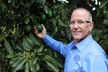
All these advantages stem from over 15 years of research by Luis Martín Hernández Fuentes and Yolanda Nolasco González at the Santiago Ixcuintla Experimental Field in Nayarit. Their team demonstrated that the Perla-AM performs exceptionally well in warm and semi-warm sub-humid climates, making it a viable option for multiple regions across the country.
Mexico is the world's leading producer of soursop, and this new variety strengthens that position. In 2024, national production reached 30,000 tons, according to the General Directorate of the Agri-Food and Fisheries Information Service (DGSIAP).
Nayarit leads production with 24,718 tons, followed by Michoacán with 2,050, and Colima with 1,137.
For more information:
Ministry of Agriculture and Rural Development
Government of Mexico
www.gob.mx