Vegetable growers in Pakistan are facing low market prices during the winter season, exposing weaknesses in the country's horticulture value chain. Tomato growers in Sindh and potato farmers in Punjab report farmgate prices below production costs, prompting some to move produce to distant urban markets in search of slightly higher returns.
According to growers and sector representatives, surplus production, limited guidance on crop planning, and the absence of processing and supply chain infrastructure are contributing to the situation. Trade disruptions have added pressure, including the closure of the Afghan border, which has reduced export outlets for several vegetables.
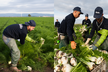
Onion growers in Sindh have also reported losses linked to disease pressure. At the same time, harvesting has become financially challenging as labour costs remain fixed while produce prices decline. In multiple cases, farmers report that crops are left unharvested and incorporated back into the soil.
Pakistan's vegetable handling system remains constrained by limited cold storage and processing capacity. At present, only about 5–7 per cent of vegetables are processed, while exports are limited and largely focused on diaspora markets. Mahmood Nawaz Shah of the Sindh Abadgar Board said that bilateral export arrangements, including those with China, remain unused due to a lack of adequate preservation and post-harvest facilities.
Potato production in Punjab increased from 9 million tons last year to 12 million tons this season, contributing to oversupply. As a result, prices have dropped from around Rs2,500 to Rs200 per 62 kg bag, equivalent to roughly US$9 to about US$0.7. This price movement has left growers unable to recover input and handling costs.
A 2025 study by the Asian Development Bank concluded that Pakistan's horticulture value chain is dysfunctional. The assessment pointed to a lack of cooling, grading, packaging centres, and on-farm cold storage. With production of key vegetable crops frequently exceeding storage and handling capacity, price pressure and grower losses recur every few years.
Sector experts indicate that without investment in processing, storage infrastructure, and market-oriented crop guidance, vegetable growers in Pakistan are likely to continue facing strong price volatility, limiting farm-level income stability and constraining productivity across the sector.
Source: Daily Times