"We got Peruvian, South African, and Zimbabwean blueberries in mid-November," says Horacio Ozer Ami Gimenez, co-owner of ByBlue, a Dutch company solely focused on that fruit. "Last year, we received about 40% more blueberries from Peru than in 2024, but demand is good, and export prices are favorable."
 © By Blue
Horacio expects the Peruvian market, which wound down earlier, and the Chilean one, which started early, to complement each other well. The first blueberries arrived in Europe from Chile around mid-December, just in time to fill the market between Christmas and early January.
More Moroccan, Spanish, and Portuguese products were also expected. Those countries' growers replaced some of their raspberry, strawberry, and blackberry crops with blueberries. "More supply can put pressure on the market, but Morocco is increasingly focusing on North America, where large blueberries fetch premium prices," Horacio explains.
 © By Blue
He sees new origins emerging, like Turkey and various African countries. Last year, in May and June, blueberries from no fewer than 13 different origins arrived in Europe at once. "That creates competition, but also allows for delivery of the correct product to the right market."
Integration and varietal development
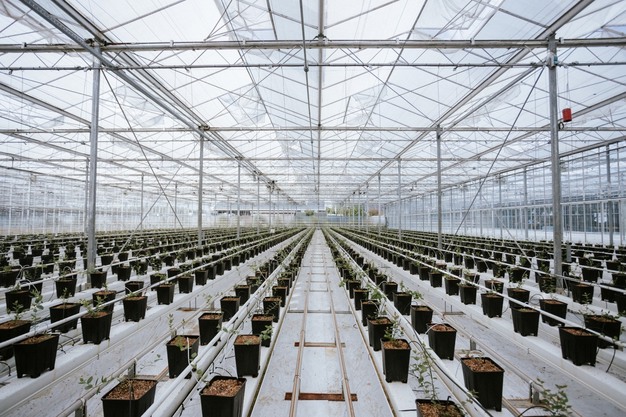
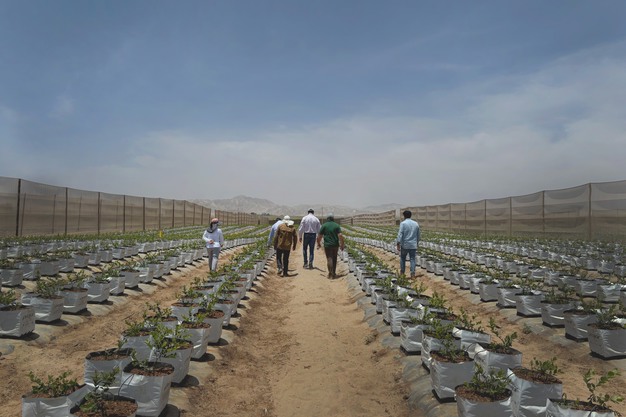
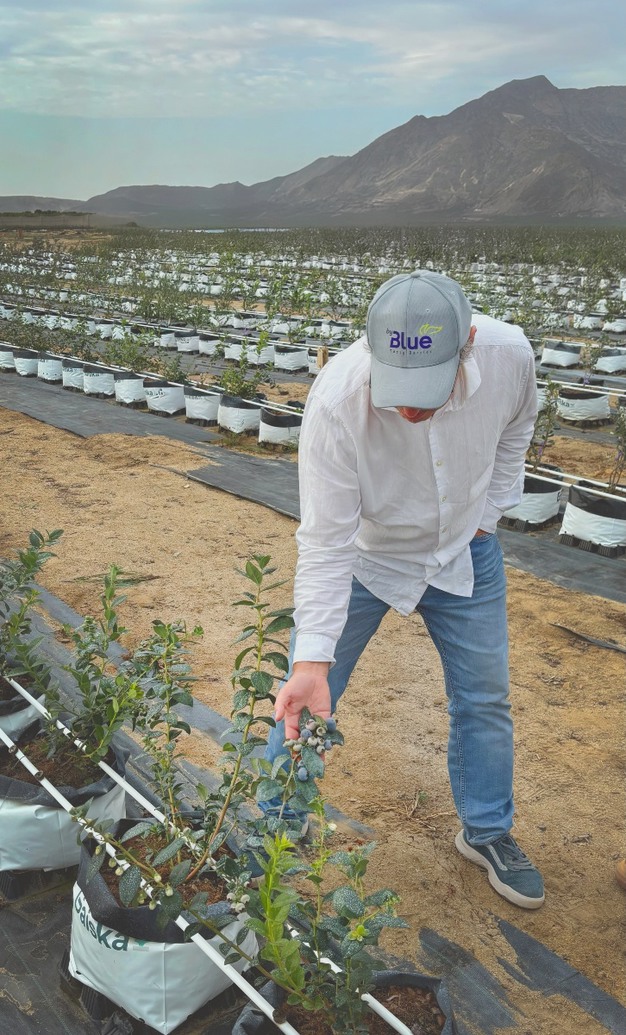
ByBlue is preparing for consolidation within the sector and is thus starting its own blueberry farm in Peru. "Traders' added value is decreasing, so we're adding value throughout the entire supply chain, from genetics to the consumer. That's our focus for the next five years," says Horacio.
 © By Blue
 © By Blue
New varieties are crucial. "We plant varieties developed by FV Selections in Argentina, Chile, Peru, and Mexico. For growers, that means higher yields and lower harvesting costs; for consumers, improved flavor and consumption experience. We're currently testing our breeding program in Portugal, Spain, Morocco, and Peru, with availability within three years."
Demand and market growth
Even with years of growth, the blueberry market is not yet saturated. Major markets such as Germany, Scandinavia, the UK, and the Netherlands continue to expand, with retail promotions running every week. Eastern Europe and the Middle East offer additional growth opportunities via Rotterdam.
Organic
The organic sector is expanding, too, especially in Germany and Scandinavia. Blueberries keep better than, say, raspberries, making them more attractive to retailers. Still, there is price pressure, with high production costs in Peru and Argentina.
Horacio remains optimistic despite challenges like climate change and upscaling. "The sector is growing, allowing us to expand and improve. Also, people keep finding new ways to eat blueberries. It used to be mainly in yogurt, now they're a snack on the go, too, which offers new opportunities," he concludes. (MW)
 © By Blue
For more information:
By Blue
Lagendijk 160a
2988 AD
Ridderkerk
Tel: +31 852130390
[email protected]
www.byblue.nu