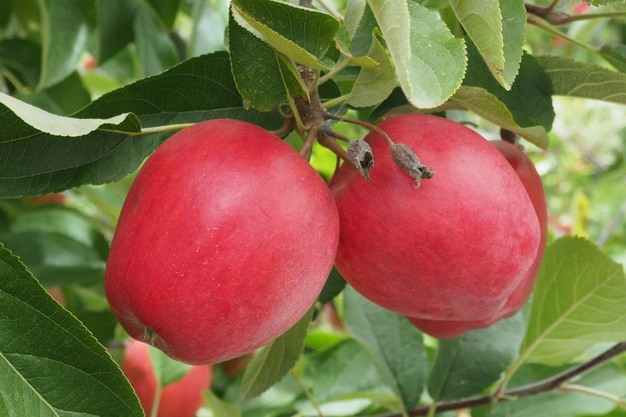
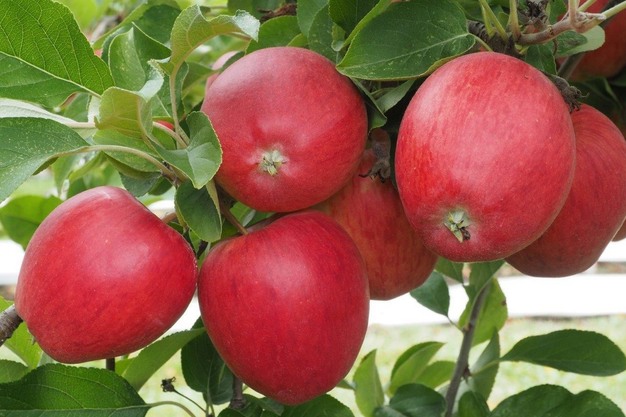
SVM Variety Management Co., Ltd. has prevailed in a legal case before China's Supreme People's Court, concluding a five-year dispute concerning the unauthorised propagation and commercialisation of the PremA280 cv. Charlo™ apple variety.
The case relates to plant variety rights held by Prevar Limited of New Zealand for the apple variety PremA280 (PVR No. CNA20120735.4). The Supreme People's Court upheld earlier findings that four defendants had engaged in the large-scale planting and sale of fruit from an unauthorised apple variety marketed as Longwei, also referred to as Yun-Yin Apple No. 2.
 © SVM
© SVM
According to the ruling, SSR molecular marker testing conducted by China's Ministry of Agriculture confirmed that the Longwei apple was genetically identical to PremA280. Based on this evidence, the Court determined that the defendants' activities constituted unlawful production and propagation of protected propagating material.
The Supreme People's Court rejected the defendants' argument that they held prior rights to the variety. The Court based this conclusion on several considerations, including the improbability of independently breeding genetically identical apple varieties, the finding that the plant material originated from unauthorised disclosure of PremA280, and the clarification that administrative Variety Appraisal Certificates do not confer civil ownership or override valid plant variety rights.
Under the judgment, the four defendants were ordered to pay more than RMB 2 million in damages, along with additional royalty payments and enforcement costs exceeding RMB 3 million.
 © SVM
© SVM
SVM is the licensed manager and enforcement representative for PremA280 in China. John Morton, Managing Director of SVM, stated that the decision "reinforces the integrity of China's PVR system and sends a clear message that illegal propagation will not be tolerated."
Prevar Limited also responded to the outcome. Tony Martin, Chief Executive of Prevar, said, "We remain committed to protecting plant variety rights and safeguarding the interests of licensees to foster the healthy development of the fruit industry."
The ruling clarifies the legal standing of plant variety rights in China and confirms that commercial use of protected varieties requires proper authorisation. The case highlights the role of genetic testing in intellectual property disputes within horticulture and the enforcement mechanisms available under China's plant variety protection framework.
For more information:
Ming
Shennong Variety Management LTD
Tel: +86 18727768267
Email: [email protected]
www.shennong.co.nz