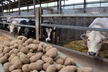
Potato cultivation in the Koraput district in eastern India has been affected this season, with farmers reporting lower yields and quality issues linked to changing weather conditions. According to official reports, erratic and excessive rainfall combined with higher temperatures during dry spells disrupted crop development.
During the kharif season, potatoes were cultivated over about 3,500 hectares in Koraput, with a target yield of 150 quintals per hectare. Under a subsidy program, the state horticulture department supplied potato seed sourced from the Odisha State Seed Corporation. While crops initially showed healthy vegetative growth and flowering, many farmers reported losses at harvest.
Growers reported issues including rotting, undersized tubers, and reduced tuber counts per plant. Rupak Turuk, a farmer from Umuri village in Koraput block, said his crop appeared healthy through most of the season but produced mainly small and rotten potatoes at harvest. He attributed the outcome to seed quality. Similar concerns were raised by Krishna Mali and Arjun Mali from Patmaliguda village in Dasmantpur block.
Agriculture observer Sarat Patnaik said that hundreds of farmers across the district have been affected by reduced potato yields this year. He noted that Koraput requires around 200 bags of potato seed annually but remains dependent on external sources, as local production of quality seed is limited.
Sudam Biswal, deputy director of the district horticulture department, said weather was the primary factor behind this season's results. He explained that some farmers planted earlier or later than recommended. In Koraput, kharif potato is typically grown as a 100-day crop. Tuber initiation usually begins about 30 days after planting, with maturity reached between 30 and 60 days thereafter. During this phase, temperatures of 17 to 20 degrees Celsius are required.
This season, heavy rainfall during tuber formation caused waterlogging in fields without adequate drainage, leading to crop damage. Biswal added that temperature fluctuations during the same period also contributed to reduced yields.
The horticulture department plans to compile a crop damage assessment for potato fields. Farms where more than 33 per cent of the crop is damaged will be inspected, and eligible growers may be prioritised for support under department schemes during the upcoming rabi season.
Biswal noted that rain-fed potatoes from Koraput typically achieve favourable prices during the festive season. He added that the district has potential for potato seed production and that steps are being taken to promote local seed production in the coming year.
Source: OrissaPOST