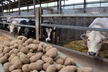
A farm in Saxony has been left with 4,000 tons of potatoes after market demand fell below expectations, a situation described by Berliner Morgenpost as "a story about the absurdities of our food system".
The potatoes were grown and harvested following an order from a trader. After harvesting and storage, market conditions changed, and overall supply exceeded demand. Prices declined, and although the financial transaction was settled, the physical volumes were not taken off the farm.
The potatoes were stored in cool, dry storage halls at a farm located south of Leipzig. The remaining volume totals around 4,000 tons, equivalent to nearly four million kilograms.
The first trucks carrying part of this volume have now left Saxony for Berlin, where the potatoes will be distributed free of charge. The transport from Saxony to Berlin is being financed by Ecosia, while Berliner Morgenpost is supporting the organisation of the distribution process.
The joint initiative aims to prevent the entire volume from going to waste. Registration for collecting the potatoes has already closed. Individuals who registered within the timeframe are expected to receive confirmation by email, indicating whether their request was accepted or rejected. Successful applicants will also receive details regarding the collection date, approximate time window, and logistics.
The case highlights how shifts in market balance can leave substantial volumes without a commercial outlet, even after contracts have been settled. For growers, the situation reflects the challenges of aligning production planning, market demand, and downstream logistics in periods of price pressure and oversupply.
Source: The Berliner