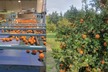
Vietnam and China continue to deepen agricultural cooperation as part of broader efforts to sustain bilateral trade growth. On 27 November, the two countries signed a protocol allowing the export of fresh Vietnamese jackfruit to the Chinese market. According to a notice published by the General Administration of Customs of China, China will begin accepting shipments from June 1, 2026.
The jackfruit protocol follows earlier agreements signed in the same year covering Vietnamese exports of chilli and passion fruit. These deals form part of a longer trend of expanding agricultural trade links between the two countries, which marked 75 years of diplomatic relations.
Bilateral trade between Vietnam and China has expanded rapidly. Vietnam is China's largest trading partner within ASEAN and its fourth largest globally, while China has remained Vietnam's largest trading partner for more than 20 years. In 2024, total two-way trade reached US$205.2 billion, up 19.3% year on year. Growth accelerated further in 2025, with trade between January and November exceeding US$267.7 billion, already surpassing the full year total of the previous year.
Agriculture has been an important component of this expansion. Since 2018, Vietnam's exports of agricultural, forestry, and fisheries products to China have risen by around 75%, while imports of related products from China have increased more than fivefold. Vietnam supplies China mainly with tropical fruit and food products, while importing agricultural machinery, fertilisers, and raw materials used in domestic production.
Fruit and vegetable exports dominate this flow. In 2024, Vietnam shipped US$4.63 billion worth of fruit and vegetables to China, representing almost two-thirds of its total fruit and vegetable exports. Durian accounted for the majority, with China absorbing 97% of Vietnam's durian export volume and generating about US$3.2 billion in revenue. Trade momentum continued in 2025, with agricultural, forestry, and fisheries trade approaching US$14 billion in the first nine months. By the end of October, China had imported US$8.7 billion in Vietnamese agricultural products.
For China, expanding agricultural imports from Vietnam fits within a diversification strategy aimed at reducing reliance on single suppliers. For Vietnam, access to China's market supports demand for fresh produce and integrates the country further into regional logistics and processing networks.
However, challenges remain. Climate impacts, small-scale production and logistics constraints, including limited cold chain capacity, affect export reliability. Regulatory differences also persist, as China's sanitary and phytosanitary requirements are more extensive than Vietnam's checks on imports. A 2021 study cited that up to 90% of Vietnamese enterprises had not fully updated practices to meet China's standards, contributing to export warnings and temporary restrictions.
Between January and July 2025, Vietnam exported more than US$35 billion to China, while imports exceeded US$101 billion, widening the trade deficit to US$66.5 billion. The structure of agricultural cooperation will influence how both countries manage these imbalances while expanding fresh produce trade.
Source: ThinkChina