At the beginning of 2026, a cold snap hit southern Italy. However, the sharp drop in temperature had a critical impact on the fruit and vegetable sector in northern Apulia, particularly on artichokes and fennel.
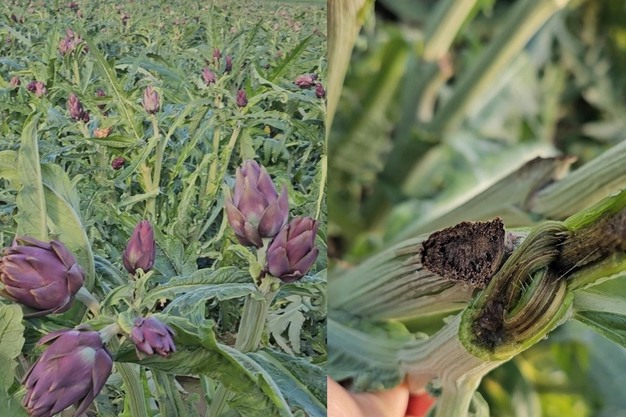
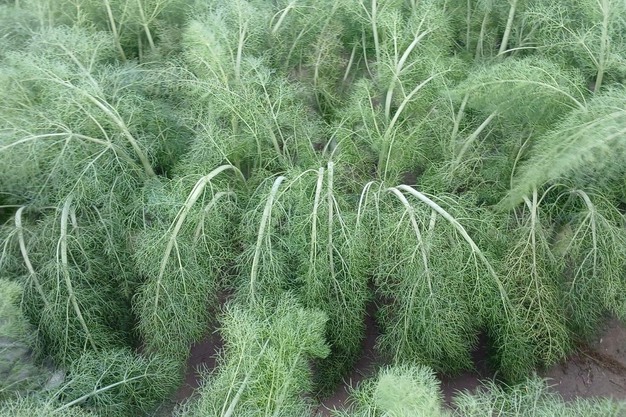
Between New Year's Eve and New Year's Day, temperatures suddenly plummeted to -4 °C, severely affecting the Bari-Andria-Trani (BAT) provinces and other areas in upper Capitanata (Foggia), where nearly all of the artichoke and fennel crops were destroyed.
Vincenzo Ciccolella of Agri Castello Srl assessed the damage, noting that at least 1,500 hectares were affected in an area responsible for 60% of Italy's total chickpea production.
"The plants are deteriorating progressively," he says. "The frost interrupted their lymphatic system. The subsequent rise in temperatures has only worsened the situation. The product is now unacceptable even for the processing industry. I lost everything. I had 25 hectares of artichokes and fennel in production that were completely compromised by the recent low temperatures. The frost started as early as the afternoon of 31 December. A lack of ventilation further damaged the plants."
 © Vincenzo Ciccolella
"The current production crisis is part of an already unstable market where consumption is restricted, and producer prices are low. During the first week of January, prices varied between €0.15 and €0.20 per head. Added to this is a markup at the point of sale that easily exceeds 60%, which discourages the final consumer. Consequently, many artichokes remain unsold in markets and supermarkets. The artichoke campaign is already delayed due to summer weather stress and water shortages that postponed transplanting until August. Now, it must reckon with a reduction in domestic supply of at least 40% over the next few days."
Operators fear this shortage will be filled by massive imports, particularly from Egypt. Local production cannot compete with their prices. "Once again, we find ourselves in a difficult situation: a campaign that forces us to face new challenges, considerable production costs, and nearly unbeatable foreign competition," Ciccolella continues.
 © Vincenzo Ciccolella
Therefore, prioritizing product origins is crucial to protecting the sector. When domestic produce is scarce due to climate factors, yet stalls are stocked with competitively priced goods, buyers need to be informed of the source of their purchases. "Information, awareness, and transparency are needed. We would like to see greater awareness among operators and end consumers regarding the factors affecting the region's products."