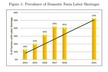
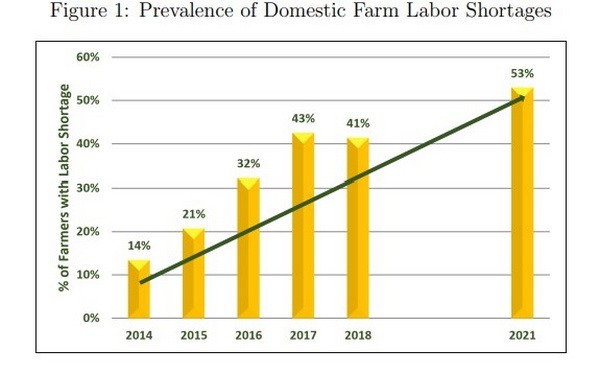
New research from Michigan State University links changes in farm labour availability to rising food prices and reduced agricultural output in the United States. According to farm labour economist Zack Rutledge, a 10 per cent decline in farm employment results in an increase in food prices of nearly three per cent.
Rutledge said the impact is particularly visible in the specialty crop sector. "And we have a specialty crop sector that's worth about $115 billion per year," he says. "What that translates to is an additional $3.4 billion in food prices."
 © MSU
© MSU
Speaking during a call with reporters hosted by the farmer-led advocacy group Grow It Here, Rutledge outlined several factors constraining the farm workforce. "We don't have as many workers coming across the border to work on American farms," he points out. "We also have an aging workforce that's not being replenished by young immigrants the way it once was, and then there are better job opportunities in non-farm sectors of the U.S."
Labour availability issues are being felt at the farm level. North Carolina apple grower Linda Pryor said stronger immigration enforcement has made legal workers more hesitant to participate in harvest activities. "There were several different crews that ran short on different days, different times, just because of those concerns," she shares.
Rutledge added that he is hearing broad support from farmers for the Department of Labor's interim rule that changes how H-2A guest worker wages are calculated. However, he noted that a pending lawsuit challenging the rule has created uncertainty for growers planning labour needs.
The research highlights the link between labour supply, production capacity, and food pricing, particularly for labour-intensive crops that rely on seasonal workers.
Source: Brownfield