Mango producers in Brazil's São Francisco Valley are reassessing export strategies following recent trade disruptions and changes in access to the United States market. With tariffs on mangoes lifted, growers are again shipping to the U.S., while also seeking to diversify destinations and reduce reliance on large exporters.
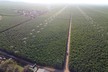
Small and medium growers in the region are increasingly focused on gaining more direct access to international markets. Georgeano Santos, a mango producer in Juazeiro, northern Bahia, operates a 26-hectare farm producing about 1,000 tons annually. Around 85 per cent of this volume is exported to destinations including the European Union, the United States, Mercosur countries, and South Korea. Only about 10 per cent is sold directly, with the remainder handled by large export companies.
"One of the biggest challenges for 2026 is to gain more direct access to the market because that will allow us to move out of this position of being farmers with tighter profit margins," Santos said during a visit by potential buyers to the region. "We still have the world to expand into, and we have the capacity to deliver fruit."
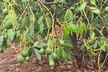
Santos began mango production in 2009 after acquiring land through the Salitre Public Irrigation Project, managed by CODEVASF. He grows Palmer, Tommy, Keitt, and Kent varieties and is developing an additional four hectares. According to Santos, investments in soil management, nutrition, and cultivation practices increased productivity from around 25 tons per hectare a decade ago to 35 to 40 tons on the same land.
Another producer, Francisco Luiz Torrisi of Barach farm in Juazeiro, is also working to increase direct exports. Torrisi currently exports about 88 per cent of his 1,200-ton annual production, mostly via large trading companies. His target is to handle 50 per cent of exports directly, with plans to increase output to 5,000 tons by 2030. Barach operates 68 hectares of mango orchards within a total landholding of 218 hectares and plans to expand mango plantings to 138 hectares.
Larger exporters remain central to the regional supply chain. GrandValle, based in Casa Nova, markets fruit from both Santos and Torrisi. The company has 600 hectares of mangoes and 150 hectares of table grapes. According to founder Gilberto Secchi, own production accounts for about 30 per cent of traded volumes, with the remainder sourced from other growers. GrandValle reports annual revenue of R$700 million (about US$140 million) and plans to expand planting by 2,000 hectares over the next four to five years.
During mango season from August to November, GrandValle receives up to 16 truckloads per day, with around 60 per cent of packed fruit destined for export. The Buyer Project initiative, organised by CNA, Sebrae, and Apex, aims to connect growers and exporters with potential overseas buyers, supporting efforts to broaden market access beyond established trade channels.
Source: Agribusiness