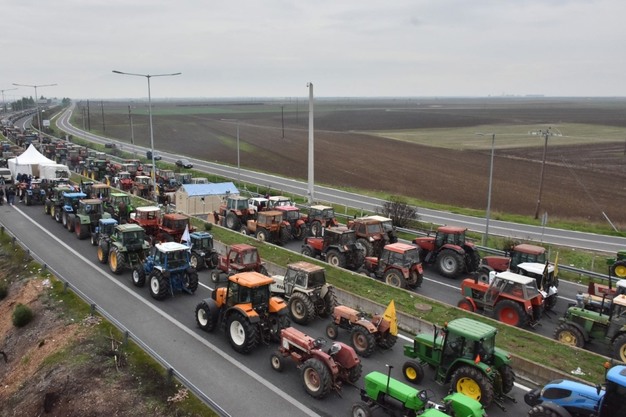
More than 50 ongoing tractor blockades have been reported across Greece as of the morning of Monday, December 8. They have been set up at key junctions on the country's main highways, as well as at all customs points on the borders with neighboring countries. We've compiled a list of their exact locations here.
 © Fotis Karabetsos | FreshPlaza.com
Snapshot of the tractor blockade in the Nikaia junction - ©Fotis Karampetsos
However, these are only the spots where either permanent or repeated and long-enduring tractor blockades take place. Actually, the blockades are far more numerous, as groups of tractors have been carrying out numerous short, temporary blockades in many other locations across the country.
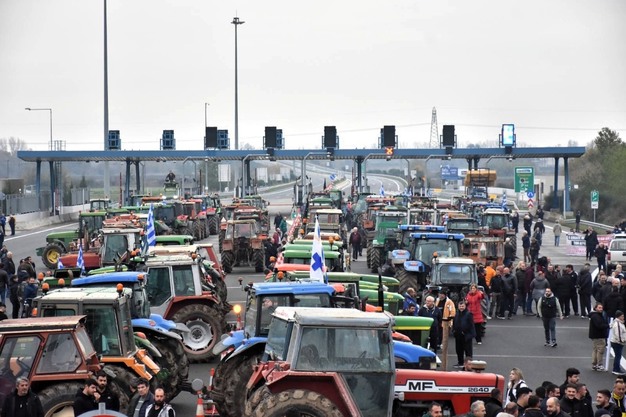 © Fotis Karabetsos | FreshPlaza.comSnapshot of the tractor blockade in the Loggos tolls -©Fotis Karampetsos
Merchandise traffic is still possible, yet with significant delays, as trucks and other vehicles are being diverted by the traffic police onto smaller roads. These routes increase the distance between origin and destination and also have lower speed limits and reduced traffic capacity. Notably, along the roughly 500 km stretch between the capital, Athens, and Greece's second-largest city, Thessaloniki, seven tractor blockades have been set, while Thessaloniki itself is surrounded by four blockades.
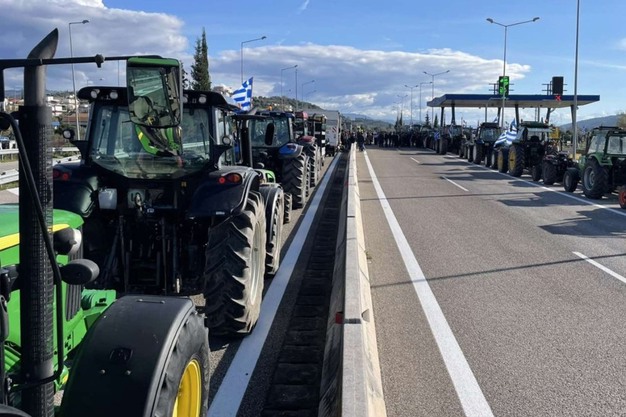 © 902.grSnapshot of the tractor blockade in Arta - ©902.gr
On Sunday, December 7, only at the blocked Promachonas customs, which links Greece with Bulgaria and, through that country, to Romania, i.e., two of the three most important export destinations for the Greek fresh produce industry, long lines of trucks had formed on both the entry and exit lanes. Mr. Giorgos Kallitsis, General Manager of the fruit packing company Youphoria Fruits SA, mentions: "Passing through customs is a matter of luck. For instance, trucks that departed on Friday for Promachonas faced no problems, but those that departed on Saturday did. Evzoni customs are out of the question. There, the problem is even more severe."
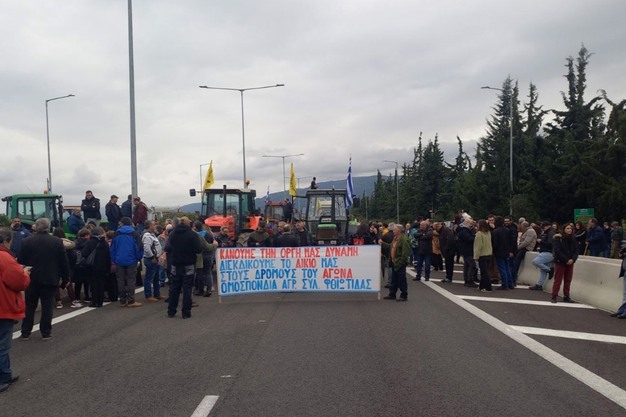 © 902.gr Snapshot of the tractor blockade in Atalanti - ©902.gr
"Delays from blockades do not affect the quality of kiwifruit. It will not deteriorate if delivered one or two days later, but this delay represents a serious problem for the supply program of clients, especially if they are supermarkets. They have strict supply schedules and can reject receiving the fruit if it is delivered past deadlines. They will search for another supplier. So you will not get paid for it, and you will find yourself with a blocked truck with no destination. Furthermore, it is not only the economic damage, but such situations also affect negotiations with clients," the Greek exporter stresses.
The farmer protests are set to intensify promptly, as all the aforementioned marked only the completion of the first phase of their nationally coordinated struggle. In the assemblies held over the past few days, they have already decided to proceed with new road blockades and various other protest forms, including the blocking of Volos port on Wednesday, December 10, from both land and sea, in collaboration with fishermen, as well as the blocking of Mitilini port and Chania airport on Monday, December 8. A similar action took place on Sunday, December 7, with the blocking of Ioannina airport. Moreover, the country's major worker unions are standing in support of the farmers, having formed common demands to be expressed through joint actions and even worker strikes.
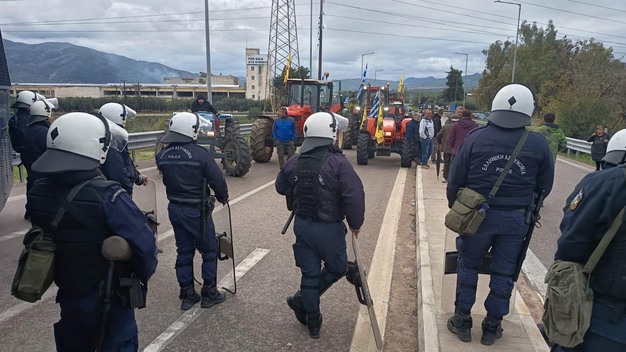 © 902.grSnapshot of the tractor blockade in Atalanti - ©902.gr
The right-wing government party, Nea Dimokratia (New Democracy), is facing great pressure, as much of its electoral strength is based on farmers' votes, and it sees agricultural regions, where it traditionally dominates, taking an important part in the protests. After failing to confront protesters with strong police action and lawsuits, Greek Prime Minister Kyriakos Mitsotakis began over the weekend to call on the farmers for negotiations.
Responding to this call, Mr. Rizos Maroudas, one of the leading representatives of the Greek farmers, said that the government does not seem willing to genuinely discuss their problems, adding: "We have requests that we want to give us a perspective for today and tomorrow, to continue cultivating, producing, and delivering quality and affordable products to the Greek table for all families. This struggle will go on until the end, until our requests are met."