The next Egyptian orange season will officially begin on December 15, two weeks behind schedule compared to last season. The decision to delay the start of the campaign has been met with mixed reactions among Egyptian professionals, but it has both advantages and disadvantages, according to Ahmed Ghoneim, marketing director at Fruit Link. The exporter shares his views on the various factors likely to influence the season.
Campaign delay
Ghoneim reflects on the delay in the campaign: "On the negative side, exporters missed the opportunity of the Christmas window, which usually offers strong sales. This setback also affected farmers and agricultural input suppliers, who were expecting higher market prices and were disappointed by the delay. Another drawback is the pressure this puts on shipping companies. Given the short time between the start of exports and the Christmas period, congestion and planning difficulties are to be expected."
 © Fruit Link
On the other hand, the delay has had a positive effect on prices, as the market value of Egyptian oranges has exceeded the level normally accepted on foreign markets, and the delay will help stabilize prices. From a quality perspective, the delay will allow the fruit to ripen further, resulting in higher juice content, higher sugar content, and a more natural exterior color, all of which increase consumer satisfaction and reinforce Egypt's reputation for high-quality products. The delay sacrifices immediate opportunities for the sake of greater stability of the season and market confidence."
Shortage of large sizes
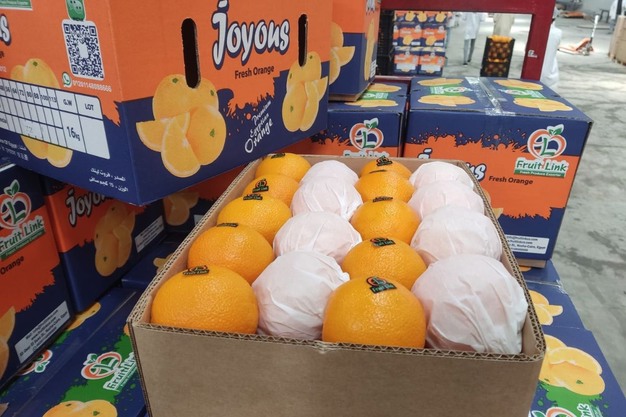
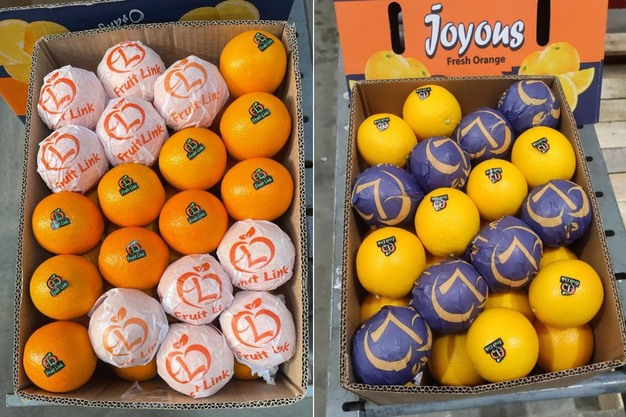
The coming season continues to be marked by a shortage of large oranges, although the situation has improved compared to last year, according to Ghoneim. He adds, "We are seeing that the size distribution of oranges this season shows a slight improvement over last year. Large sizes have increased from around 15% last season to around 25-30% this year. However, medium and small sizes still account for the majority, with a noticeable gap compared to larger fruit. This increase in the availability of large sizes helps meet the needs of markets that are constantly demanding larger fruit, reducing the pressure on exporters to meet these requirements. At the same time, the predominance of medium and small sizes is not expected to cause any major disruptions, given the strong overall demand for Egyptian oranges in international markets. We are counting on the local market to effectively absorb the smaller sizes, particularly through juice factories, ensuring that surplus volumes do not become a burden on the export campaign."
 © Fruit Link
Moderate competition
Commenting on the competitiveness of Egyptian oranges for the coming season, Ghoneim says: "Competition in the orange market this season varies depending on the origin of competing products. In China, production continues to grow steadily, which has a direct impact on demand for Egyptian oranges in neighboring East Asian markets. The competitive advantage of Chinese oranges lies in their lower prices, shorter transport distances, and shorter delivery times. In addition, Chinese Navel oranges remain available at least until the end of March, which extends their presence on the market and creates additional challenges for Egyptian exporters. In contrast, Spain's export volumes will be relatively lower this season, and prices will remain high. This situation offers Egypt and Turkey an opportunity to strengthen their position in European markets. Thanks to the reputation for quality of Egyptian oranges, they are well placed to compete effectively with the Spanish supply.
"Beyond Spain and China, Egypt also faces indirect competition from other Mediterranean producers such as Turkey and Morocco. However, Egypt's advantage lies in its ability to consistently supply large volumes and maintain competitive prices. Combined with the growing recognition of Egyptian oranges as a premium product, this allows Egypt to increase its market share despite regional competition and consolidate its role as the world's leading orange exporter," the exporter adds.
Diversification of markets is key
Taking all these factors into account, Ghoneim assures that market diversity will be the key to a successful season. He concludes: "At Fruit Link, we focus on supplying a diverse set of markets that reflect both our traditional strengths and emerging opportunities. Russia, Ukraine, and the Gulf countries remain among the most important destinations for Egyptian oranges, consistently absorbing large volumes and offering stable demand. In Europe, countries such as the Netherlands, Spain, France, Poland, and the United Kingdom are central to the campaign. In Asia, countries such as India, Bangladesh, Malaysia, and Hong Kong are strategic markets where demand for citrus fruits continues to grow, while China is also a priority, particularly towards the end of the season (April-June), when local supply declines."
For more information:
Ahmed Ghoneim
Fruit Link
Tel: +201110116206
Email: [email protected]
www.fruitlinkco.com