The Moroccan soft citrus campaign is progressing with clementine varieties now in their sixth week of export. Production is under pressure, reducing volumes and quality in several regions. Producers and exporters must demonstrate ingenuity and resilience to meet the challenge of valorizing limited production. In this context, Green Atlas Generations stands out.
 © Atlas Green Generations
Tough weather conditions are taking their toll on producers
In Morocco's main clementine-producing regions, adverse weather conditions are dictating the tempo of the season, with a general decline in volumes and deterioration in quality. Essaid El Khounchafi, founder of Atlas Green Generations, shares the producers' experience: "The 2025/2026 season is unfolding in an extremely delicate climate context, marked by unusual weather pressures in all Moroccan production areas. National production has therefore recorded an estimated average decline of between 25 and 30%, with the most pronounced decline observed in the Berkane region."
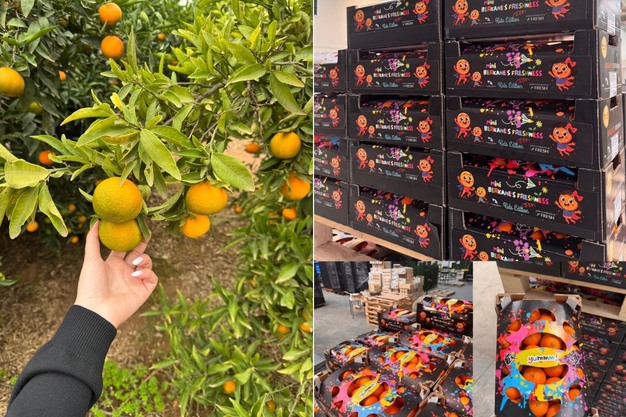
Berkane, the renowned citrus-growing region in the east of the country, is paying the toll of the long drought affecting the Mediterranean basin. The scarce rainfall, only 15 mm between September and November, is accompanied by climatic phenomena that disrupt agricultural production. El Khounchafi explains: "Despite a relatively favorable start to the season in Berkane, about ten days ago, we experienced a violent episode of sand-laden winds, with temperatures reaching 35°C. This led to the cellular collapse of many fruits, a significant drop in clementines before ripeness, and a direct impact on visual and internal quality. The sizes already affected by the lack of rain have shrunk even further. The result: an average to small size and overall quality inferior to last year's."
Producers in the Gharb region are faring better. El Khounchafi says: "The summer and early autumn heat did not have the same impact on all products. The clementine harvest is similar to last year's, with a decent size and relatively stable quality."
In Agadir, the situation is more mixed. The region has seen a 25-30% increase in production, but fruit quality has been severely affected. High temperatures in spring, summer, and fall resulted in very small sizes, dried-out fruit, and inadequate quality for the export market. Thus, despite greater availability, exports from Agadir will be lower than last year."
 © Atlas Green Generations
A multi-faceted repositioning is necessary to adapt
For a young, fast-growing company like Atlas Green Generations, the climate map therefore requires a repositioning in the least affected production areas. "As part of the strategic expansion of our packaging and export activities, consolidating our presence in international markets naturally involves shifting our operations from Berkane to the Gharb region," El Khounchafi explains.
A parallel repositioning, this time in the markets, is also necessary to support Moroccan citrus fruits exports, which are suffering from a considerable increase in production costs in a highly competitive industry. In the case of Atlas Green Generations, El Khounchafi shares that he has changed course: "We have decided to work exclusively with procurement centers, never with wholesalers. It is a strategic choice that is part of our vision to create value throughout the chain."
"In terms of geographic markets, we are primarily working to consolidate our market in Europe, followed by Saudi Arabia and Russia. In Europe, our main areas of development are France, Germany, the Netherlands, and Poland," the producer continues.
 © Atlas Green Generations
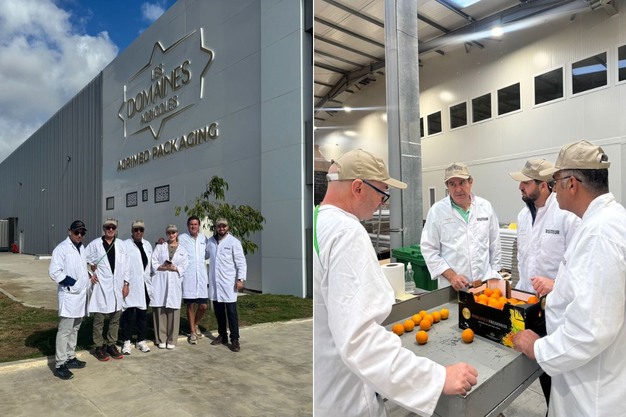
All these profound changes, where maintaining profitability goes hand in hand with enhancing the value of the final product, require strong and reliable partnerships. El Khounchafi explains that he found the right fit in a packaging station that understood his ambition. He praises the merits of his new partner: "The repositioning towards the Gharb region and our desire to enhance the value of our products led us to collaborate with Agrimed Packaging. It is a new-generation multi-fruit packaging station that stands out for its impeccable professionalism, highly qualified team, sophisticated equipment, and cutting-edge technologies. Its optimized logistics strategy and direct connection to the ports of Tangier, Casablanca, and Agadir, and even a projection towards Nador, facilitate connections to Perpignan. This choice was not made arbitrarily. It is part of our desire to operate from an infrastructure capable of supporting our growth, ensuring consistent quality, and optimizing the logistics ecosystem for our shipments."
 © Atlas Green Generations
"The end consumer at the heart of our priorities"
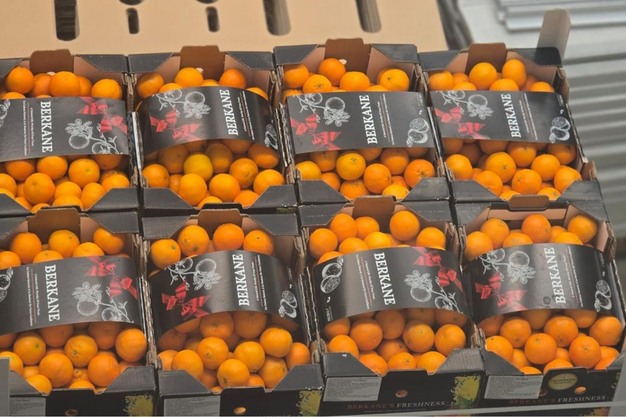
On the marketing front, Fatima Ezzahra El Khounchafi, the company's marketing and communications manager, is leading the product valorization campaign from a different angle: communication with the end consumer, the clementine eater. She explains her approach: "We are approaching this difficult season with a clear vision: to guarantee quality despite the climatic challenges and to strengthen the product's value on international markets. Our approach goes beyond B2B buyers and focuses on the end consumer, and beyond the product itself to highlight the human effort behind it. We have therefore implemented a series of innovations aimed at modernizing the perception of the product and increasing transparency:
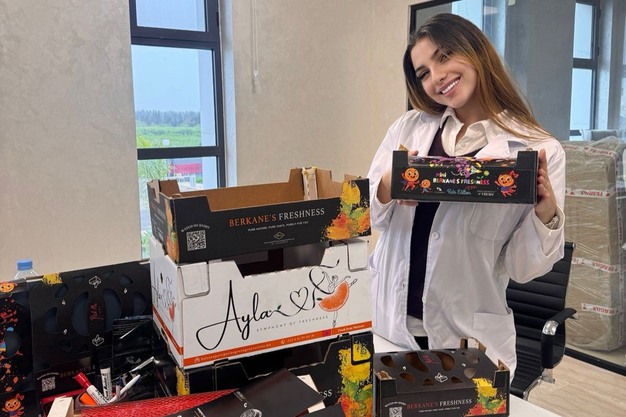
- Dynamic, modernized packaging, conceived around a more distinctive graphic identity to improve shelf recognition;
- A narrative integrated into the design, highlighting the authenticity of the terroir, the quality of the orchards, and the involvement of the teams in the field.
- Structured multi-channel communication, using high-end media that meet the expectations of procurement centers, importers, and distributors;
- A range designed to appeal to kids, with a playful visual universe to spark their curiosity.
In our quest to create a genuine emotional connection with consumers, highlighting the origin, human endeavor, and history behind each clementine, this season we have incorporated a QR code into our packaging, which provides access to an immersive video showing the harvesting, sorting, and packaging of the fruit," she continues.
"Today, thanks to this new dynamic, Atlas Green Generations is experiencing significant growth and pursuing its ambition: to become a leading Moroccan player, recognized for its professionalism, high standards, and proximity to major international markets," El Khounchafi concludes.
For more information:
Essaid El Khounchafi
Atlas Green Generations
Tel: +212 661976318
Email: [email protected]
Fatima Ezzahra El Khounchafi
Email: [email protected]