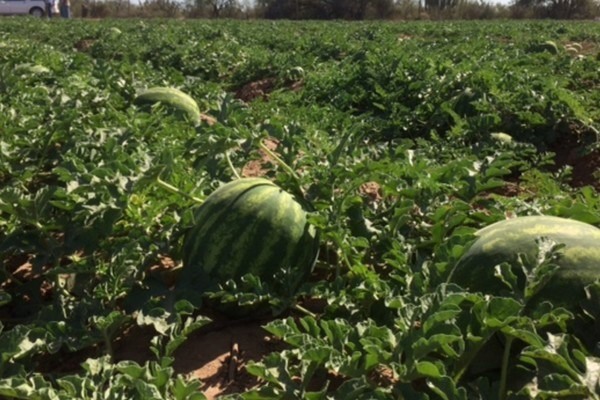
Watermelon supply out of Sonora, Mexico is wrapping up slightly earlier this season. "This is because the majority of the crop came on a bit ahead of time due to the above average temperatures in October," notes Scott Vandervoet of Vandervoet & Associates, adding that the majority of the fruit crosses into the U.S. through Nogales, Arizona. "It's probably past their peak in terms of this fall season. Other seasons we've gone into mid to late December even and I don't see that happening this time around."
 © Vandervoet & Associates
This even though two hurricanes–Lorena and Priscila–came through the region in September and October. "The disruption was minimal. It didn't impact the quality or condition much–the quality and yields are good. It was just the harvest schedule so we were lucky in that sense," says Vandervoet.
Developing winter watermelon consumption
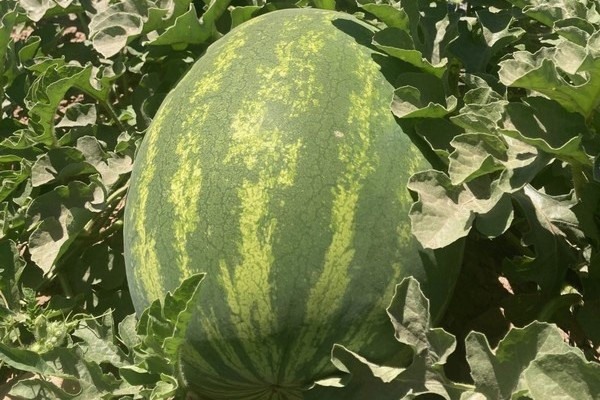
At the same time, this is the time of year when consumption of watermelons softens given demand is often tied to higher temperatures. "Over the last decade, watermelons have been successful getting into households in the winter–we see them being consumed year-round. With the mini watermelons as well in the winter, it's a good opportunity for people to bring them home," Vandervoet says.
 © Vandervoet & Associates
Still, aside from the Thanksgiving pull which tends to strengthen most commodities, demand right now for watermelon seems flat. "It's hard to tell what the cause of that is, whether it's a larger economic issue or commodity specific," he says.
That said, the markets throughout the deal have remained solid reaching at/above $200.00 FOB. Cartons were at/above $20 FOB, all of which is considered good pricing.
Looking ahead, following Sonora, production moves to Sinaloa in Mexico, which has a smaller amount of acreage and is still a few weeks away from harvest. Further south is Jalisco's production and it is also three to four weeks away still.
For more information:
Scott Vandervoet
Vandervoet & Associates
Tel: +1 (520) 281-0454
[email protected]