New garlic varieties have been introduced to South Africa from a country on a similar latitude, and the results from its trials have been exactly what they'd hoped for, says Corrie Bezuidenhout, chairperson of the South African Garlic Growers' Association. He was not directly involved with the importation of these varieties, but the promise it holds is undeniable and a ray of light for South African garlic growers, he remarks.
"The trials showed that the new varieties perform especially well from Bloemfontein to the south because of possible longer day lengths. These hard-neck varieties with ten to thirteen cloves per garlic bulb can compete with the imported Spanish and Chinese varieties."
Hardneck garlic varieties, like brown onions, require at least 14 hours of sunlight.
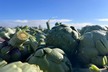
 © South African Garlic Growers' Association The newly introduced garlic variety (shown growing left, alongside local varieties) has 10 to 13 cloves per bulb, just like Chinese and Spanish imports
Bezuidenhout believes these varieties will allow local garlic growers better market access. "And if the playing field is level, we can be competitive with imported Spanish garlic, although we will never be able to compete against subsidized, cheap Chinese imports."
Low viral load
A very important additional benefit of the new garlic varieties is the low viral load associated with this planting material. "Garlic is propagated vegetatively, leading to an increase in viral load year on year," Bezuidenhout explains. "The new varieties were certified virus-free when they came into South Africa and are currently generation 4 and generation 5 garlic."
Interested growers in areas of the country where brown onions can be grown are welcome to contact him for more information about these newly introduced garlic varieties.
Garlic smuggling hurts growers and legit importers
An antidumping duty of R19.25 (just under 1 euro) per kilogram is currently in place on fresh garlic imported from the People's Republic of China. Reports of garlic entering South Africa illegally through grey channels persist. It is undercutting not only South African garlic growers, he says, but also importers following the legal trade route.
"Selling garlic at really basement prices has a tremendous impact on the sales of garlic and ginger on our market floors. The garlic and ginger being sold outside our National Fresh Produce Markets on the street is often sold at prices far below the normal landing price of garlic and ginger, and the cost of production for any local producer."
Border points linked to the smuggling of ginger and garlic are under increased scrutiny.
"As an organization, we are hearing allegations of large consignments entering the country through these grey channels. These new varieties can help producers to compete better in the market because of their freshness and unique characteristics."
 © South African Garlic Growers' Association
 For more information:
Corrie Bezuidenhout
South African Garlic Growers' Association
Tel: +27 82 465 0514
Email: [email protected]